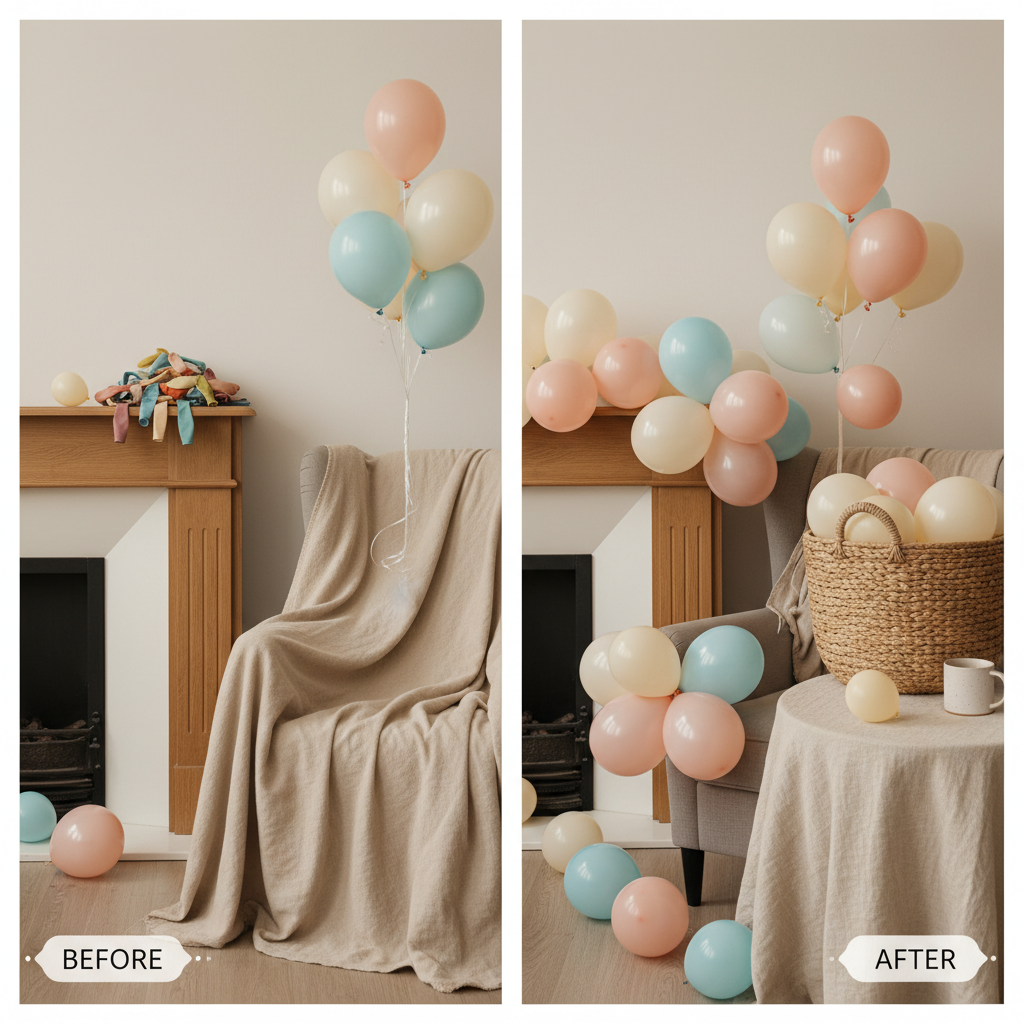

Look, I've spent years on sites, hands-dirty, watching things get built. You learn pretty quick what holds up and what doesn’t. Lately, everyone’s talking about quick solutions, especially when it comes to events or temporary structures. That's where understanding the value of an 18 balloons latex setup comes in. It’s not just about colorful decorations; it's about a surprisingly robust, adaptable, and cost-effective system for creating enclosed spaces, whether it’s for a marketing activation, a temporary workshop, or even a quick field hospital. It's a smart approach, and I've seen it outperform more complex options time and again. 18 balloons latex isn’t some flimsy novelty – it’s a legitimate building component when you understand its capabilities.
The real benefit isn’t just speed of deployment, although that’s a huge factor. It’s the adaptability. I’ve seen crews modify these structures on the fly to accommodate changing needs. Traditional temporary buildings often require specialized tools and skilled labor for even minor adjustments. With 18 balloons latex, you're dealing with a relatively simple, modular system. We’re talking about reducing logistical headaches, minimizing downtime, and getting projects up and running faster. That translates directly into savings – and in this business, every penny counts. The versatility really makes 18 balloons latex a game-changer.
Frankly, a lot of engineers I’ve worked with initially dismissed it as a gimmick. But once they saw the load-bearing capacity, the air tightness, and how easily it integrates with existing infrastructure, they started taking notice. It's a mindset shift, sure, but a necessary one. We need to be open to innovative materials and construction methods, especially when those methods can deliver real advantages in terms of cost, efficiency, and sustainability. It’s about getting the job done right, and sometimes that means thinking outside the box – or, in this case, inside the balloon.

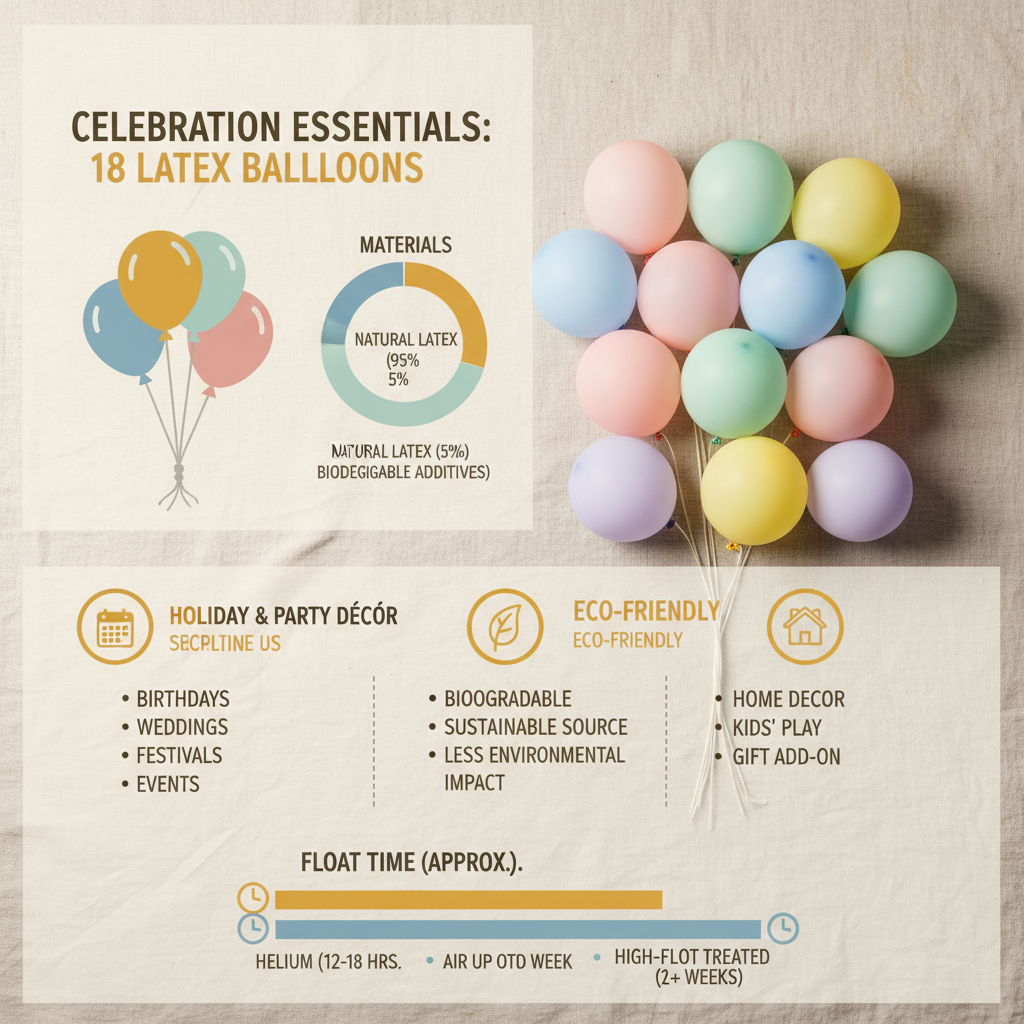
I’ve seen these things pop up everywhere – from marketing events needing temporary branded spaces to disaster relief organizations setting up quick medical clinics. What I appreciate is the speed. Forget weeks of foundation work and framing. You’re talking hours to have a secure, weatherproof enclosure ready to go. It’s invaluable when you need to react fast. 18 balloons latex is surprisingly versatile.
And it's not limited to ground-level structures. I’ve worked on projects where they’ve been integrated into existing buildings to create temporary labs or clean rooms. The air-tight seal is a huge benefit in those scenarios. It really showcases its adaptability for multiple construction scenarios.
Generally, 18 balloons latex structures offer superior stability, especially in windy conditions. They’re designed to flex and absorb wind pressure, whereas traditional tents can be susceptible to collapse. The sealed structure also provides better protection against the elements. However, proper anchoring is crucial for both types of structures. While a well-maintained tent can be stable, the inherent design of an 18 balloons latex setup inherently provides a more robust solution, particularly for longer-term deployments or in unpredictable weather conditions.
The lifespan varies depending on environmental factors and frequency of use. With proper care – regular cleaning, UV protection, and careful storage – an 18 balloons latex structure can last for several years. However, prolonged exposure to sunlight, extreme temperatures, and physical damage can shorten its lifespan. Reinforced latex formulations and protective coatings can significantly extend its durability. We generally recommend annual inspections and potential repairs to ensure longevity.
Latex itself is combustible, so fire safety is a legitimate concern. However, manufacturers often treat the latex with fire-retardant coatings to reduce flammability. It’s crucial to adhere to local fire safety regulations and avoid open flames or sources of ignition near the structure. The air-filled nature also means it won’t contribute to a rapidly spreading fire like some other materials might.
Permitting requirements vary significantly depending on location and the size of the structure. Generally, smaller, temporary structures require less stringent permitting than larger, permanent installations. It's essential to check with local building codes and authorities to determine the specific requirements in your area. Factors like occupancy, height, and proximity to property lines will all be considered.
Yes, insulation can be added to 18 balloons latex structures to improve temperature control. Various methods can be used, including applying reflective insulation to the interior surface, or creating an air gap between the latex and an outer layer of fabric or plastic. The effectiveness of the insulation will depend on the materials used and the climate conditions. This makes it suitable for different climate conditions and use cases.
Repairing an 18 balloons latex structure is typically much less expensive and faster than repairing a traditional building. Minor punctures can be patched with readily available repair kits, and larger tears can often be addressed with specialized adhesives. The modular nature of the structure also simplifies repairs, as damaged sections can be easily replaced. Traditional building repairs often require specialized contractors and significant material costs.
Ultimately, 18 balloons latex represents a compelling alternative to traditional temporary structures. It’s faster to deploy, more adaptable, often more cost-effective, and increasingly sustainable. It's a material that’s often underestimated, but its capabilities are impressive, particularly when you consider the challenges of rapid deployment, remote locations, and disaster relief.
The future of 18 balloons latex lies in continued innovation – improved materials, smart technologies, and streamlined construction processes. By embracing these advancements, we can unlock even greater potential for this versatile material and create more resilient, efficient, and sustainable building solutions. If you’re looking for a smart, adaptable, and cost-effective solution for your next project, visit our website: www.festivalballoon.com.

Welcome friends and customers at home and abroad to cooperate sincerely and create brilliance together!


 Consult now