0%

Table of Contents

Look, I’ve spent the last twenty years breathing concrete dust and arguing with subcontractors. I’ve seen fads come and go, and I can tell you right now, a reliable, durable balloon is more valuable than a lot of fancy tech. We’re talking about 16 latex balloons here – not some flimsy party favor. These aren’t about birthdays; they’re about lifting, protecting, and often, the simple visual communication needed on a hectic job site. Knowing how to properly utilize these isn’t just about inflation; it’s understanding their limitations and maximizing their potential in real-world applications.

For years, we relied on flags, tape, and shouting. Inefficient, prone to error, and frankly, dangerous. The introduction of dependable 16 latex balloons changed a lot of that. It’s a simple solution to surprisingly complex problems. We use them for marking exclusion zones, temporary signaling, even basic buoyancy tests. The key is understanding that consistent quality matters. A burst balloon at the wrong moment isn’t just an inconvenience; it’s a safety issue.

I’ve seen firsthand the shift in how crews operate when equipped with reliable balloons. It's not glamorous, but it is effective. And honestly, if something this simple makes my job a little easier and keeps my team a little safer, that's a win in my book. We’re talking about a surprisingly versatile tool, overlooked by a lot of folks stuck on more ‘high-tech’ solutions.


The Indispensable Role of 16 Latex Balloons on Construction Sites

The Practical Role of 16 Latex Balloons

The Indispensable Role of 16 Latex Balloons on Construction Sites

On a construction site, visibility is everything. 16 latex balloons, properly deployed, provide a simple, low-cost visual indicator. Think marking overhead obstructions, delineating work zones, or even creating temporary reference points. We often use them in multiples, creating a clear visual barrier. It’s quicker and often more effective than setting up cones or barricades, especially in tight spaces.

Beyond safety, 16 latex balloons can save time. They're easy to deploy and reposition. Need to adjust a temporary boundary? A few balloons are faster than dismantling and rebuilding a physical barrier. It’s about efficiency and keeping things moving. The consistent visual cue they provide minimizes misunderstandings and reduces the risk of accidents.

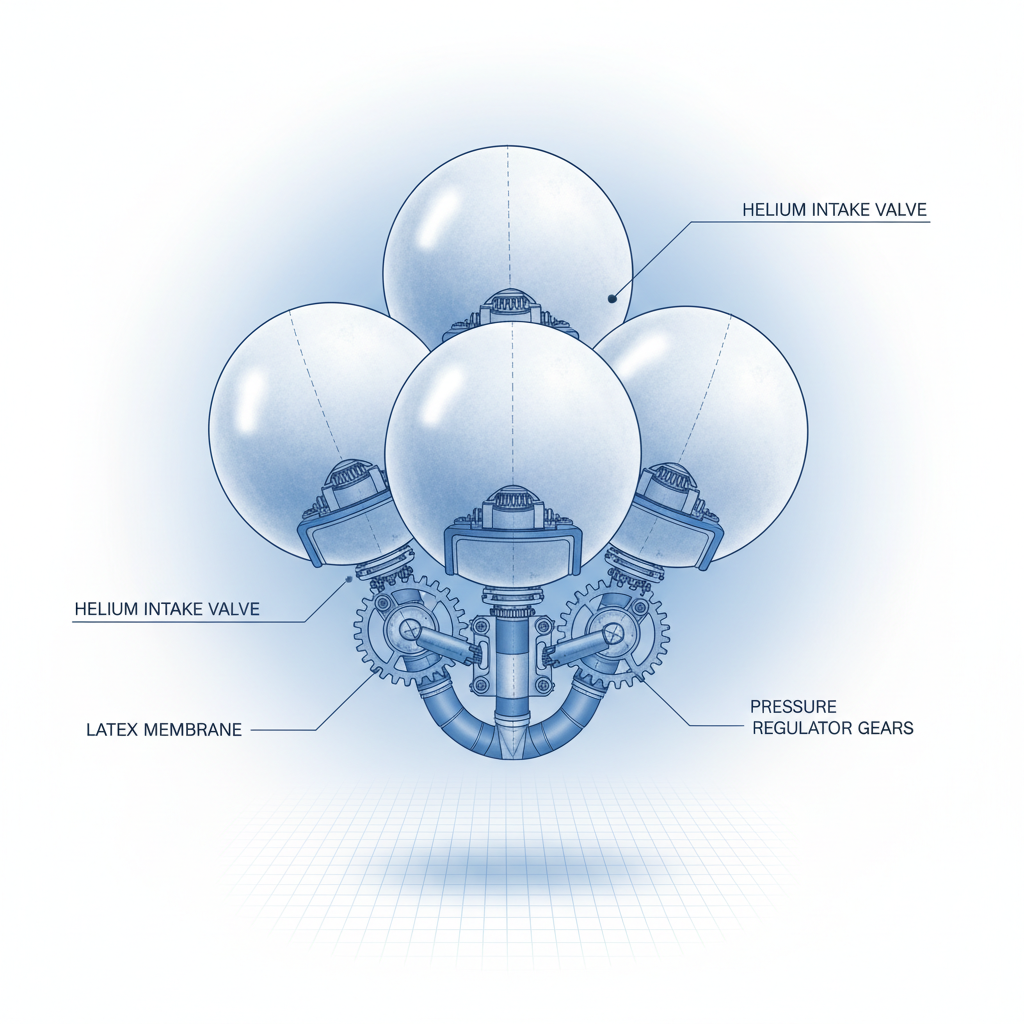
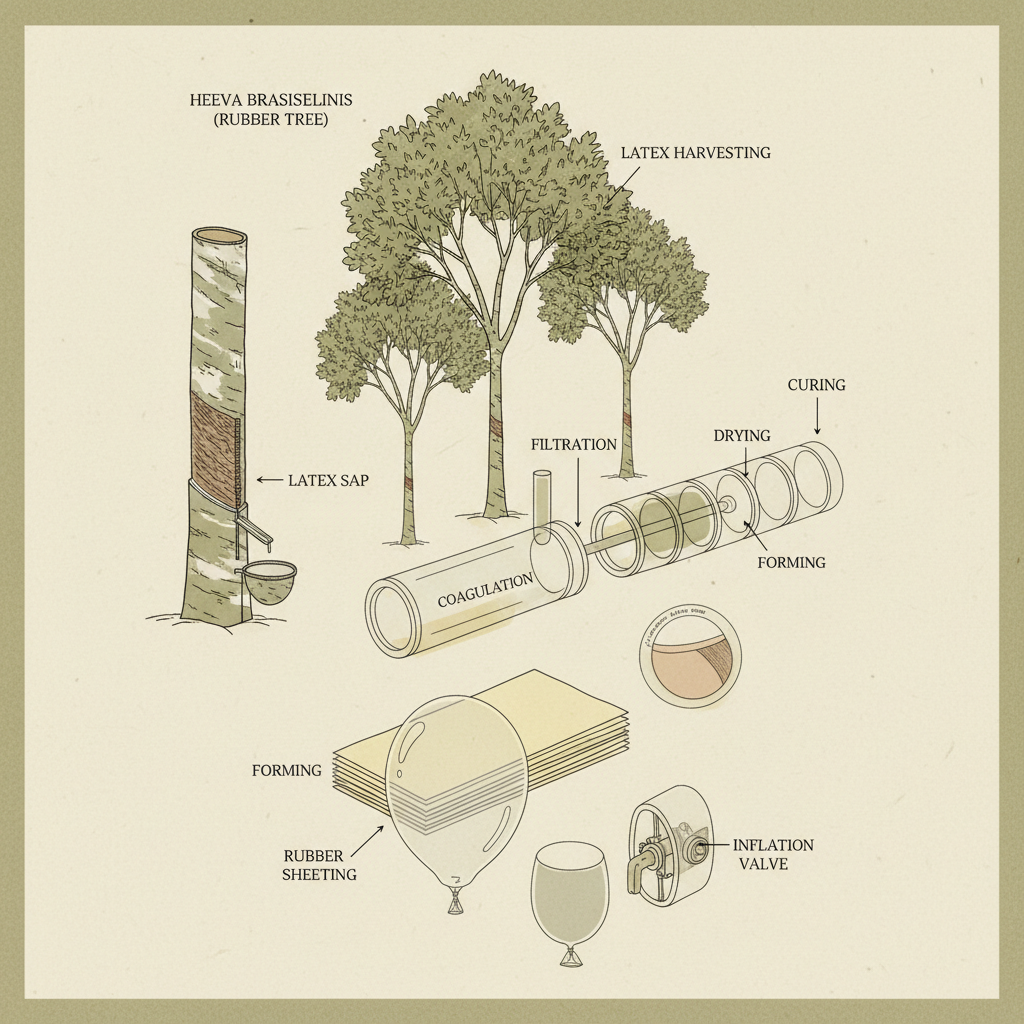
Understanding Latex Balloon Composition

People often underestimate what goes into a latex balloon. It's not just rubber. The quality of the latex is critical. You want a balloon that can withstand temperature fluctuations, UV exposure, and a reasonable amount of abrasion. We've tested balloons that crack and split in direct sunlight within hours, rendering them useless. A good quality latex provides the necessary elasticity and resilience.

The thickness of the latex also matters. Thicker balloons are more durable, obviously, but also more resistant to punctures. This is especially important when working around sharp objects, which, let’s be honest, is pretty much always on a construction site. We’ve moved to specifying a minimum latex thickness for all our balloon orders.

Finally, the manufacturing process plays a role. Consistent wall thickness and uniform latex distribution are key to preventing weak spots. Cheap balloons often have inconsistencies that lead to premature failure. You get what you pay for, and when it comes to safety, cutting corners is a bad idea.

Key Factors Influencing Balloon Performance

Several factors influence how well 16 latex balloons perform in the field. Temperature is a big one. Cold temperatures make the latex brittle, increasing the risk of cracking. Extreme heat can cause the balloons to over-expand and burst. Proper storage is crucial.

UV exposure is another killer. Prolonged exposure to sunlight degrades the latex, making it weak and susceptible to tearing. We often use balloons in conjunction with UV-resistant flagging tape to provide an extra layer of protection. Regular inspection is vital. A daily walk-through to check for damage can prevent a lot of headaches.

Finally, the type of gas used for inflation matters. Helium is the most common, but it's also expensive and can escape relatively quickly. Air is a cheaper alternative, but it doesn’t provide the same lifting power. We often use a mix of helium and air to balance cost and performance.

Real-World Applications of 16 Latex Balloons

We use 16 latex balloons constantly for marking swing radius on cranes – a vital safety measure. A burst balloon here can cause a serious accident, which is why quality is paramount. They're also excellent for temporarily marking excavations, preventing workers from accidentally stepping into unsafe areas.

Another common use is for basic level monitoring. Tie a string to a balloon and use it as a visual reference point for leveling equipment or checking grades. It’s not precise, but it’s quick and easy for rough adjustments. We even use them as makeshift buoys in small-scale water management projects.

16 Latex Balloons Application Effectiveness


Advantages and Long-Term Value Proposition

The biggest advantage of 16 latex balloons is cost. They’re incredibly cheap, especially compared to alternative signaling methods. This allows for widespread deployment without breaking the bank. It’s a small investment that can deliver a significant return in terms of safety and efficiency.

The ease of use is another major benefit. Anyone can inflate and deploy them, requiring minimal training. That simplicity translates to time savings and reduced reliance on specialized personnel. And honestly, the visual clarity they provide is often better than more complicated systems.

Future Trends in Latex Balloon Technology

I'm seeing some interesting developments in biodegradable latex formulations. Reducing our environmental impact is becoming increasingly important, and these new materials offer a more sustainable solution. It’s still early days, but the potential is there.

We're also exploring the integration of reflective materials into the latex itself, further enhancing visibility in low-light conditions. This could be a game-changer for nighttime construction projects. And, believe it or not, some companies are even experimenting with balloons equipped with small sensors for monitoring environmental conditions.

Common Challenges and Solutions

The biggest challenge is, predictably, durability. Balloons will burst. That’s why regular inspection and replacement are critical. We've implemented a system where each crew is responsible for checking their balloons at the start and end of each shift.

Another issue is wind. Strong winds can carry balloons away or cause them to tangle in equipment. Using weighted balloons or tying them securely can mitigate this risk. We also adjust our deployment strategy based on weather forecasts.

Finally, there's the issue of proper disposal. We've implemented a recycling program for used balloons, encouraging crews to collect and recycle them whenever possible. It’s a small step, but it demonstrates our commitment to sustainability.

Key Considerations for Optimizing 16 Latex Balloon Usage

Application Area Balloon Thickness (Gauge) Inspection Frequency Replacement Threshold
Crane Swing Radius 18-24 Gauge Every Shift Any Visible Damage
Excavation Zone Marking 15-18 Gauge Twice Daily Loss of Inflation
Level Monitoring 12-15 Gauge Before Each Use Significant Deformation
Temporary Hazard Zones 18-24 Gauge Every 4 Hours Minor Punctures
Small Water Management 20-24 Gauge Hourly Immediate Replacement
General Site Marking 15-18 Gauge Daily Reduced Visibility

FAQS

What's the best way to store 16 latex balloons to maximize their lifespan?

Proper storage is crucial. Keep them in a cool, dark, and dry place, away from direct sunlight and heat sources. Avoid storing them near sharp objects or chemicals. Ideally, store them in their original packaging or a sealed container to protect them from environmental factors. Maintaining a consistent temperature helps prevent the latex from becoming brittle or overly elastic, extending their usability on the jobsite.

How often should I replace balloons used for marking hazardous areas?

For hazardous area markings, I recommend a minimum inspection frequency of every four hours, but ideally more often. Replace any balloon showing signs of damage, deflation, or discoloration immediately. A burst balloon in a hazardous area defeats the purpose and creates a safety risk. Err on the side of caution and replace them proactively. We operate under a ‘when in doubt, replace it’ policy.

Are there alternatives to helium for inflating 16 latex balloons on a large scale?

Helium is expensive and its supply isn’t guaranteed. Air is a perfectly viable alternative, though it won't provide lift. A mixture of helium and air can strike a balance between cost and buoyancy. Some teams use compressed air tanks with adjustable pressure for controlled inflation. Consider the application; if lift isn't essential, air is a perfectly acceptable and cost-effective option.

How do I determine the appropriate balloon gauge for my specific construction task?

The required gauge depends on the application and potential hazards. For high-stress applications like crane swing radius marking, opt for a thicker gauge (18-24). For lighter tasks like temporary zone delineation, a thinner gauge (12-15) might suffice. Consider the environment; windy conditions or abrasive surfaces necessitate a more durable balloon. When in doubt, choose a thicker gauge for added reliability.

What are some innovative ways to use 16 latex balloons beyond basic marking?

We’ve seen teams use them as makeshift level indicators by attaching a string and visually aligning with a fixed point. They can also be used for basic buoyancy tests – observing how a balloon behaves can give you a quick assessment of stability. Some crews use them with reflective tape for increased visibility at night. The key is to think creatively about their properties – lightweight, visible, and easily manipulated.

How can I dispose of used 16 latex balloons responsibly?

Latex is biodegradable, but the breakdown process can take a long time. Ideally, collect and recycle them through a dedicated latex recycling program if available in your area. If recycling isn’t an option, dispose of them in a landfill. Avoid releasing balloons into the environment, as they can pose a threat to wildlife. Implementing a collection system on your jobsite is a simple way to demonstrate environmental responsibility.

Conclusion

So, there you have it. 16 latex balloons. They're not glamorous, but they’re a surprisingly effective, affordable, and versatile tool for any construction site. From marking hazards to providing visual cues, these simple balloons can improve safety, efficiency, and overall workflow. Don't underestimate their potential.

Investing in quality balloons and implementing a robust inspection and replacement system will pay dividends in the long run. And remember, exploring innovative applications and prioritizing responsible disposal demonstrates a commitment to both safety and sustainability. Visit our website at 16 latex balloons to learn more about sourcing high-quality latex balloons for your next project.

Robert Johnson

Robert Johnson

Robert Johnson is the Senior Sales Manager for North America at Han Tao. He brings a strong background in international sales and a deep understanding of the promotional products market. Robert is responsible for building and maintaining relationships with key distributors and clients. He’s particularly knowledgeable about the applications of
Previous The Versatility and Benefits of Utilizing 18 Balloons Latex Structures
Next Exploring the Versatility of 15 Latex Balloons in Modern Applications
Welcome To
Tell Us Your Needs

Welcome friends and customers at home and abroad to cooperate sincerely and create brilliance together!

Consult nowConsult now