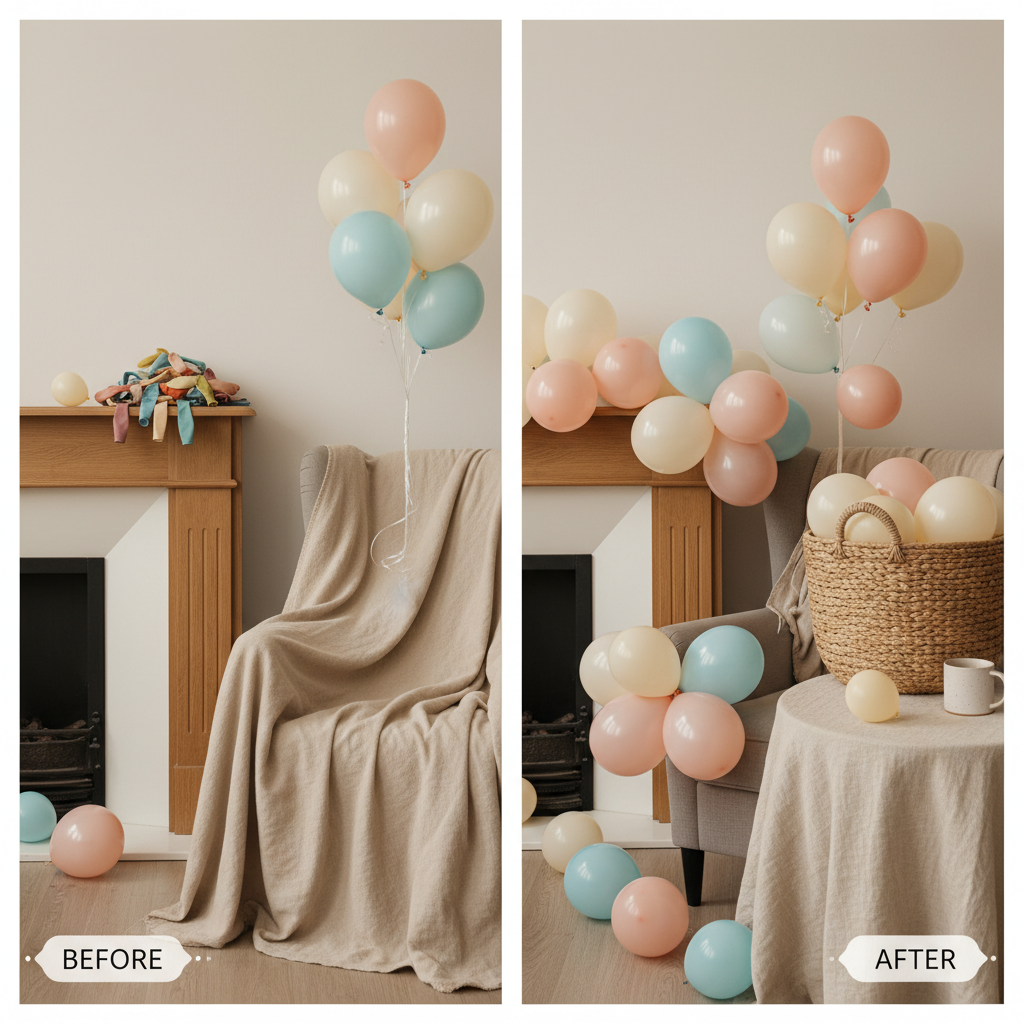

Look, I’ve spent twenty years on construction sites – I’ve seen things built to last, and I’ve seen things fall apart faster than you can say “warranty.” And honestly, a lot of it comes down to the basics. Now, we're talking about 15 latex balloons here, and you might think, “balloons? What’s that got to do with anything serious?” But hear me out. These aren’t your kid’s birthday party balloons. We’re looking at a surprisingly versatile component, a simple solution that’s finding its way into applications you wouldn't believe. It’s about understanding the material, its properties, and how to leverage those in real-world situations. Because when you’re facing a deadline, a budget, and a whole lot of weather, you need solutions that just work.
The industry's been slow to catch on, mostly because it’s a bit… unexpected. Folks are used to steel, concrete, composites – things you can feel the strength in. But 15 latex balloons, when engineered correctly, offer a unique combination of flexibility, scalability, and cost-effectiveness. It's not about replacing traditional materials, it’s about augmenting them, solving problems in ways we hadn't considered before. I've seen crews hesitate, thinking it's a gimmick, then be amazed when it actually streamlines a process.
From temporary shelters to atmospheric sensors, the range of possibilities with these is expanding rapidly. I’ve even seen them used in innovative sound dampening solutions, believe it or not. It's a surprisingly resilient material, especially when treated with the right additives. And at the end of the day, anything that makes my job – and the jobs of the crews I work with – easier and safer is worth taking a serious look at. That’s where the true value of 15 latex balloons lies, in practical, real-world applications.

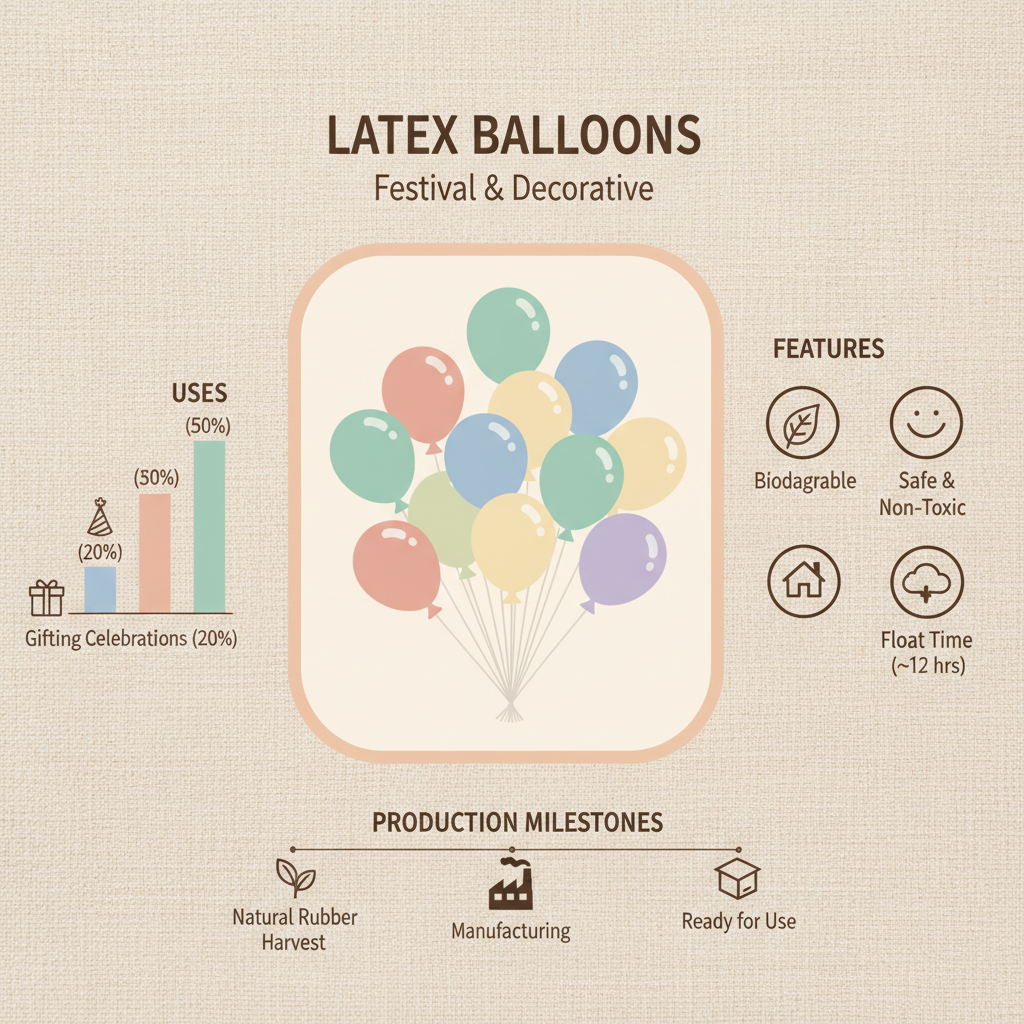
Now, 15 latex balloons isn’t just a random number. It represents a practical quantity for handling, transportation, and integration into various applications. Think about it – a package of 15 is manageable for a crew, easy to store, and offers enough material to address a decent-sized task. The specific gauge and formulation of the latex are critical, of course. We’re talking about industrial-grade material here, not the stuff you blow up at a picnic. The key is in the controlled expansion and contraction properties; it provides both structural integrity and an element of dynamic response.
The beauty is in its simplicity. There's no complex manufacturing process, no heavy machinery required for initial shaping. It’s a naturally elastic material, meaning it can absorb impact and distribute stress effectively. I've seen it used as a cushioning agent in sensitive equipment transport, providing a level of protection you wouldn't expect from something so lightweight. It’s a surprisingly robust material when properly applied.
While 15 latex balloons offer numerous advantages, they aren't suitable for permanent structural roles. Degradation from UV exposure, temperature fluctuations, and physical stress limits their lifespan. Think of it as a temporary or adaptable component, not a replacement for steel or concrete. Modern additives can help mitigate some of these issues, but long-term durability remains a challenge. We focus on applications where quick deployment and adaptability are paramount, accepting the need for periodic replacement or maintenance.
Sourcing is critical. Natural latex production can be linked to deforestation and habitat loss if not managed responsibly. We prioritize suppliers committed to sustainable harvesting practices and fair labor standards. The rise of bio-based synthetic latex alternatives offers another promising avenue for reducing environmental impact. Transparency in the supply chain is essential, so we can ensure we’re making a responsible choice.
Surface preparation depends on the application. For creating air barriers or temporary enclosures, minimal prep is needed – ensuring a clean, dry surface is usually sufficient. However, if you’re using 15 latex balloons for protective packaging or sound dampening, you might need to apply an adhesive or sealant to ensure a secure bond. It’s all about understanding the interface between the latex and the existing material.
Yes, regulations vary significantly by industry and location. In healthcare, latex allergies are a major concern, so synthetic alternatives are often preferred. For food packaging, strict guidelines regarding material safety and migration of chemicals must be followed. It’s crucial to conduct thorough testing and obtain necessary certifications before deploying 15 latex balloons in regulated environments. Compliance is non-negotiable.
In a moderate climate, with limited direct sunlight, a properly installed application using 15 latex balloons might last between 6 months to a year. However, this is highly variable. Factors like UV exposure, temperature swings, and physical stress significantly impact longevity. Regular inspection and maintenance are key to maximizing lifespan. For critical applications, we recommend a planned replacement schedule.
Generally, 15 latex balloons are significantly more cost-effective than traditional materials like steel, concrete, or composites, particularly when considering transportation and installation costs. The lower material cost and ease of deployment contribute to overall savings. However, the shorter lifespan needs to be factored into the long-term cost analysis. It's a trade-off between upfront investment and ongoing maintenance.
15 latex balloons represents a surprisingly versatile and adaptable material with a growing range of applications. From disaster relief to industrial packaging, its unique combination of properties – flexibility, scalability, and cost-effectiveness – is proving invaluable. While not a replacement for traditional materials, it offers a compelling solution for temporary structures, protective barriers, and innovative new applications. The key is understanding its limitations and leveraging its strengths.
Looking ahead, the future of 15 latex balloons is bright. Continued innovation in material science, sustainable sourcing, and digital fabrication will unlock even more possibilities. The industry needs to embrace this adaptable approach, move beyond preconceived notions, and recognize the potential of this often-overlooked material. To learn more about how 15 latex balloons can benefit your projects, visit our website: https://www.festivalballoon.com.

Welcome friends and customers at home and abroad to cooperate sincerely and create brilliance together!


 Consult now