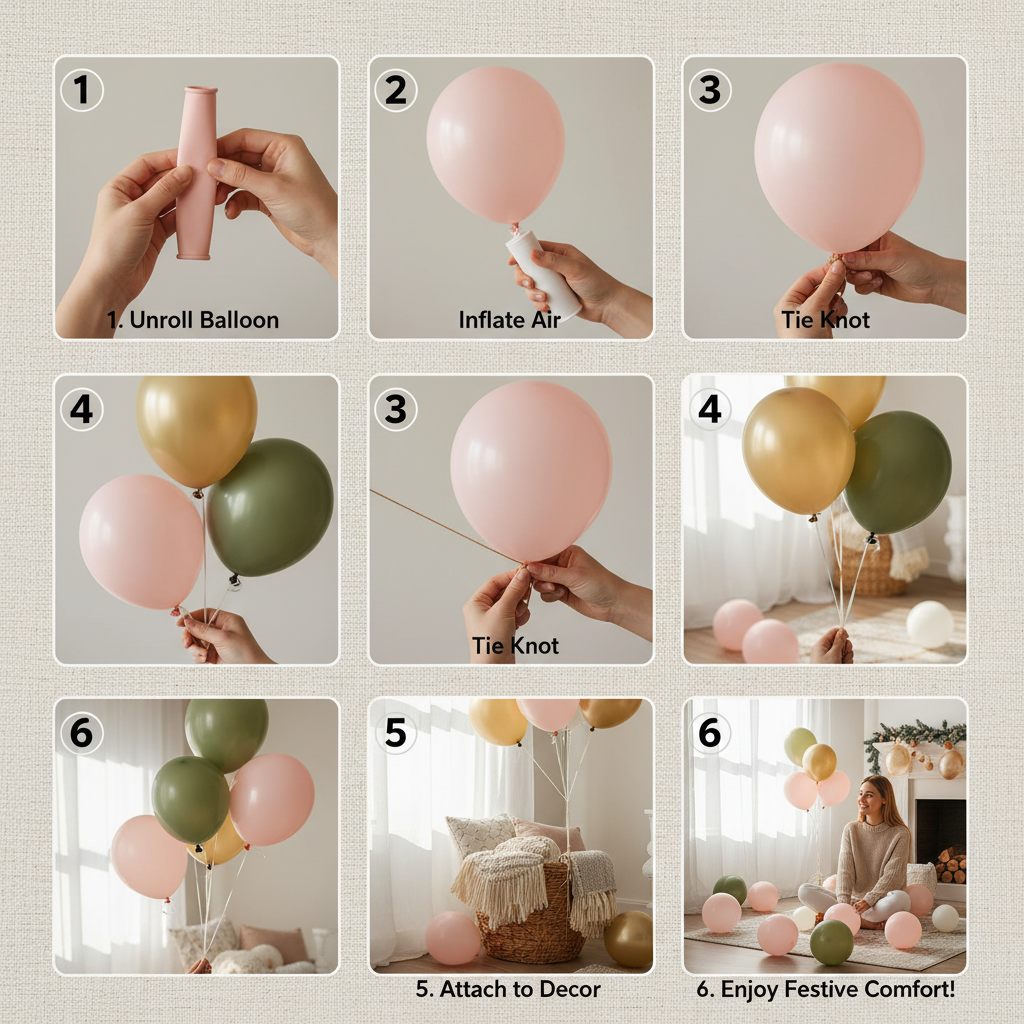
Silver latex balloons represent more than just party decorations; they are a versatile material finding increasing application in a diverse range of industries, from event planning and marketing to scientific research and even specialized industrial processes. Their affordability, lightweight nature, and ability to retain gas make them a globally significant commodity. Understanding their properties, manufacturing processes, and potential applications is crucial for businesses and individuals seeking innovative and cost-effective solutions. silver latex balloons are becoming increasingly popular for their aesthetic appeal and versatility.
The global market for latex balloons, including the silver variety, is substantial and continues to grow, driven by demand for celebratory events and increasingly sophisticated marketing campaigns. According to market research reports, the balloon industry is valued at billions of dollars annually, with a significant portion attributed to metallic and pearlized finishes like silver. Challenges exist in sustainable sourcing of latex and managing environmental impact, but ongoing innovation in biodegradable materials and responsible manufacturing practices are addressing these concerns. silver latex balloons have become a staple in celebrations worldwide.
This exploration delves into the core aspects of silver latex balloons, examining their composition, key characteristics, practical applications, future trends, and potential challenges. The goal is to provide a comprehensive overview of this seemingly simple yet remarkably impactful material, highlighting its importance in various sectors and underscoring the potential for continued innovation and sustainable development within the industry.
Defining Silver Latex Balloons
Silver latex balloons are inflatable spheres constructed from processed latex, typically derived from the sap of the rubber tree Hevea brasiliensis. The 'silver' designation refers to the metallic coating applied to the balloon’s surface, usually a thin layer of a metallic pigment that gives it a shimmering, reflective appearance. This coating isn't simply aesthetic; it also contributes to the balloon's ability to hold helium for extended periods. silver latex balloons are often chosen for their elegant look.
Their connection to modern industry extends beyond simple celebrations. Silver latex balloons are used in atmospheric research to carry small payloads, in marketing for eye-catching displays, and even in some scientific experiments requiring lightweight, expandable vessels. The development of high-quality silver latex balloons relies on advancements in polymer chemistry and coating technologies, making them a surprisingly sophisticated product.
Global Relevance and Industry Context
The demand for silver latex balloons is globally distributed, with significant consumption in regions celebrating diverse cultural events and holidays. North America and Europe represent substantial markets, but rapidly growing economies in Asia-Pacific, particularly China and India, are driving increased demand. The United Nations Sustainable Development Goals (SDGs) indirectly impact the industry, prompting a focus on sustainable latex sourcing and reducing plastic waste associated with balloon production and disposal. silver latex balloons are a worldwide phenomenon.
The balloon industry, as a whole, is valued in the billions of dollars, with metallic balloons like silver accounting for a considerable share. Data from the ISO (International Organization for Standardization) provides guidelines for quality control and safety in balloon manufacturing, impacting global trade and consumer confidence. The industry faces a challenge in addressing public perception regarding environmental concerns, particularly balloon litter.
A primary challenge within the silver latex balloon sector is balancing affordability with sustainability. Consumers desire the aesthetic appeal of metallic balloons, but concerns about their environmental impact are growing. Addressing this requires innovation in biodegradable coatings and responsible disposal programs, aligning the industry with evolving consumer preferences and environmental regulations.
Core Components of Silver Latex Balloons
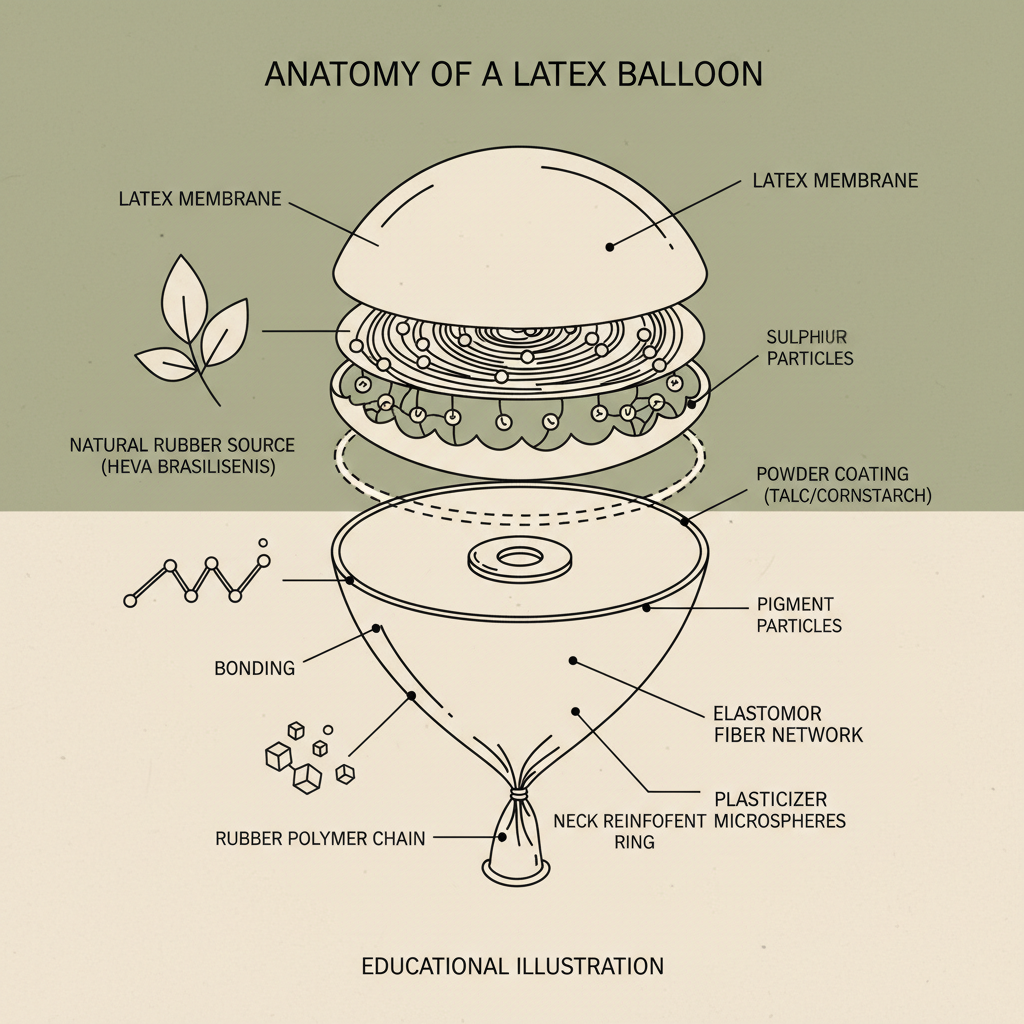
The primary component of silver latex balloons is, naturally, latex – a polymer derived from the rubber tree. The quality of the latex significantly influences the balloon’s elasticity, strength, and ability to hold gas. The silver coloration comes from a metallic coating, typically a thin layer of aluminum or a specialized metallic pigment suspended in a polymer film. This coating is applied to the interior of the balloon during the manufacturing process.
Other crucial components include various additives to improve latex processing, such as curing agents, stabilizers, and plasticizers. These additives enhance the balloon’s durability and resistance to degradation. The neck of the balloon, designed for inflation, is often reinforced to prevent tearing. Modern silver latex balloons increasingly incorporate biodegradable polymers to lessen environmental impact, although complete biodegradability remains a challenge.
The manufacturing process itself involves several stages: latex collection, purification, balloon forming (dipping mandrels into latex solution), drying, coating with the silver metallic layer, neck reinforcement, and quality control. Each step requires precise control to ensure the final product meets desired standards for size, shape, strength, and aesthetic appeal.
Key Factors Influencing Silver Latex Balloon Quality
Durability is a paramount factor. A high-quality silver latex balloon should resist punctures, tears, and premature deflation. This is dependent on the latex quality, the thickness of the latex layer, and the effectiveness of the metallic coating in preventing gas permeation. Strength is closely linked to durability, reflecting the balloon’s ability to withstand handling and inflation pressures.
Gas retention is another crucial aspect. Silver latex balloons are often used with helium, and a superior balloon will maintain buoyancy for an extended period. The metallic coating plays a key role in reducing helium leakage, as does the elasticity of the latex itself. The integrity of the balloon's neck seal also significantly impacts gas retention.
Silver Latex Balloon Quality Assessment
Applications Across Diverse Industries
The most prominent application of silver latex balloons remains in the event and party planning industry. They are used extensively for birthdays, weddings, corporate events, and celebrations of all kinds. Their aesthetic appeal and relatively low cost make them an ideal decorative element. They also play a role in promotional marketing, used in grand openings or to create eye-catching displays for product launches. silver latex balloons are often used for branding.
Beyond celebrations, silver latex balloons find niche applications in scientific research. Their lightweight nature and ability to expand make them useful in atmospheric studies, as small weather balloons carrying sensors. While specialized balloons are typically used for advanced research, silver latex balloons can serve as cost-effective alternatives for basic data collection.
Advantages and Long-Term Value Proposition
The primary advantage of silver latex balloons is their affordability. Compared to other decorative elements or specialized materials, they offer a cost-effective solution for creating visually appealing displays. Their lightweight nature simplifies handling and transportation, reducing logistical costs. This makes them accessible to a wide range of consumers and businesses.
From a marketing perspective, silver latex balloons offer high visibility and brand recognition potential. Their reflective surface attracts attention, and they can be customized with logos or messaging to promote specific products or events. The emotional connection associated with celebrations further enhances their marketing impact, associating a brand with positive experiences.
Future Trends and Sustainable Innovations
A major trend is the development of biodegradable latex formulations. Researchers are exploring alternative polymers and additives that will allow silver latex balloons to decompose more rapidly and safely in the environment. This addresses growing consumer concerns about plastic waste and promotes sustainability. Another trend is the use of digital printing technologies to create highly customized balloon designs, allowing for intricate patterns and personalized messaging.
Advancements in coating technologies are also underway, aiming to improve the metallic sheen and gas retention properties of silver latex balloons while minimizing the use of potentially harmful chemicals. The integration of smart technologies, such as embedded sensors or microchips, is a longer-term possibility, potentially enabling interactive balloon displays or data collection applications.
The rise of eco-conscious consumers will drive demand for sustainable options. Companies that prioritize biodegradable materials, responsible sourcing, and transparent manufacturing processes will be best positioned for success in the evolving silver latex balloon market.
Key Factors in Silver Latex Balloon Sustainability
This table summarizes key factors impacting the sustainability of silver latex balloons and strategies to mitigate environmental concerns.
Analyzing the lifecycle impacts of these balloons, from latex sourcing to final disposal, is essential for achieving a genuinely sustainable product.
Sustainability Analysis of Silver Latex Balloons
| Latex Sourcing |
Coating Materials |
Biodegradability |
Disposal Methods |
| Certified sustainable plantations |
Non-toxic metallic pigments |
Partial - latex degrades, coating does not |
Landfill, potential for litter |
| Fair trade practices |
Water-based coatings |
Improved with biodegradable additives |
Composting (limited effectiveness) |
| Reduced deforestation efforts |
Bio-based metallic alternatives |
Target: 100% biodegradability |
Recycling initiatives (challenging) |
| Traceability and supply chain transparency |
Reduced VOC emissions during production |
Certification standards (e.g., compostable) |
Responsible disposal campaigns |
| Supporting local rubber farming communities |
Development of fully biodegradable coatings |
Timeframe for complete decomposition |
Extended Producer Responsibility schemes |
| Investment in sustainable latex production technologies |
Minimizing heavy metal content in pigments |
Impact of environmental factors (temperature, humidity) |
Consumer education on proper disposal |
FAQS
The float time of silver latex balloons filled with helium varies based on size, latex quality, and temperature. Generally, a standard 11-inch silver latex balloon can float for 8-12 hours. Factors like balloon stretching during inflation and exposure to sunlight can decrease float time. Using a high-quality balloon and avoiding extreme temperatures will maximize buoyancy.
While the latex itself is a natural material and biodegradable, the metallic coating on silver latex balloons is not. This significantly slows down the decomposition process. Non-degraded balloon fragments can pose a threat to wildlife. Choosing biodegradable balloons and responsible disposal practices, like popping and properly discarding them, can minimize environmental impact. Research into fully biodegradable coatings is ongoing.
Foil balloons, often made of metallized plastic (Mylar), are not biodegradable and pose a more significant environmental risk than latex. Latex, even with a metallic coating, degrades faster, although the coating remains a concern. However, sustainably sourced and biodegradable latex options are becoming more available, offering a more eco-friendly alternative to foil balloons. It's important to consider the entire lifecycle of each type of balloon.
Opt for biodegradable silver latex balloons, avoid releasing them into the atmosphere (balloon releases are harmful to wildlife), and ensure proper disposal by popping them and discarding them in a trash receptacle. Supporting companies committed to sustainable latex sourcing and advocating for responsible balloon usage can also make a difference. Consider alternative decorations where feasible.
Uninflated or broken silver latex balloons pose a choking hazard for young children. Supervision is essential when balloons are present. Metallic coatings can also potentially contain trace amounts of heavy metals, though the risk is generally low. Discard broken balloons immediately and keep them out of reach of children. Always inflate balloons with a proper inflation device.
Currently, recycling silver latex balloons is challenging due to the metallic coating and the inherent properties of latex. Most municipal recycling facilities do not accept them. Some specialized recycling programs may exist, but they are limited. The best course of action is responsible disposal in the trash, combined with choosing biodegradable options when available to minimize environmental impact.
Conclusion
In conclusion, silver latex balloons remain a popular and versatile material, finding applications far beyond mere decoration. From celebratory events to scientific endeavors, their affordability, aesthetic appeal, and unique properties contribute to their global significance. However, the industry faces increasing pressure to address sustainability concerns, particularly regarding biodegradability and environmental impact. Innovation in materials, manufacturing processes, and disposal methods is crucial for ensuring a responsible and sustainable future for silver latex balloons.
Looking ahead, prioritizing eco-friendly alternatives, promoting responsible consumption, and investing in research and development will be essential for continued growth and acceptance. By embracing sustainable practices and addressing consumer concerns, the silver latex balloon industry can solidify its position as a valuable and environmentally conscious contributor to global celebrations and beyond. Visit our website today to explore our range of high-quality silver latex balloons: festivalballoon.com.








 Consult now