In the vibrant world of event planning and celebrations, the 3 latex balloon stands as a fundamental unit of joy, blending material science with artistic expression. These versatile spheres are more than just party decorations; they represent a global standard in the rubber manufacturing industry, where precision in wall thickness and elasticity determines the quality of the festive experience.
Understanding the technical specifications and the commercial viability of the 3 latex balloon is crucial for wholesalers and decorators who aim for consistency in their displays. From the sourcing of natural rubber latex to the dipping process that ensures a uniform surface, every step is engineered to prevent premature popping and ensure a rich, saturated color payoff.
Globally, the demand for high-quality rubber products continues to evolve, with a strong shift toward biodegradable materials and non-toxic dyes. The 3 latex balloon serves as a prime example of how traditional manufacturing can adapt to modern sustainability standards while maintaining the high elasticity and durability required for large-scale festive installations.
Material Composition of 3 latex balloon
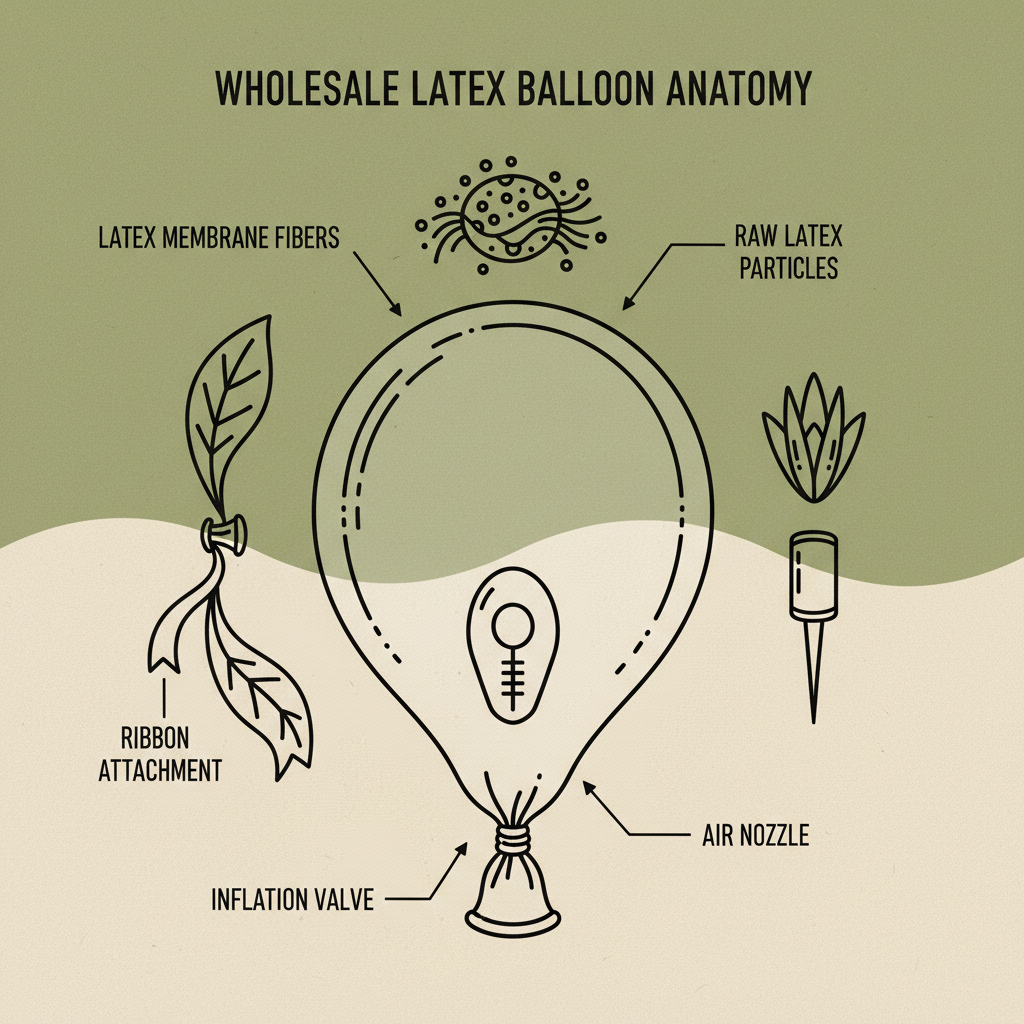
The structural integrity of a 3 latex balloon begins with the harvesting of high-grade natural rubber latex, primarily sourced from Hevea brasiliensis trees. This organic polymer provides the essential elasticity and tensile strength that allow the balloon to expand significantly without rupturing, making it a superior choice compared to synthetic alternatives in the festive industry.
To enhance the visual appeal and longevity, manufacturers incorporate specific curing agents and pigments into the latex compound. These additives ensure that the 3 latex balloon maintains its color vibrancy even under UV exposure, preventing the "chalking" effect often seen in lower-quality rubber products.
Industrial Production Standards for 3 latex balloon
The manufacturing process for the 3 latex balloon involves a precise dipping technique. Porcelain molds, shaped to the exact dimensions of the desired balloon, are cleaned and coated with a release agent before being submerged into a stabilized latex bath. The timing and temperature of this dip are critical to ensure a uniform wall thickness across the entire surface of the balloon.
Following the dipping phase, the balloons undergo a vulcanization process, where heat is applied to create cross-links between the polymer chains. This chemical reaction is what gives the 3 latex balloon its "snap-back" ability, ensuring that once inflated, the material exerts a consistent inward pressure to hold the gas securely.
Finally, the balloons are stripped from the molds and treated with an anti-tack powder, typically cornstarch or a similar food-grade mineral. This prevents the 3 latex balloon from adhering to itself during packaging and shipping, ensuring that the end-user receives a product that is ready for immediate inflation.
Quality Control and Durability Metrics
Quality assurance for the 3 latex balloon is measured through rigorous stress tests. Engineers evaluate the "burst point"—the maximum pressure a balloon can withstand before failure—to ensure that the product meets international safety and performance standards.
A key metric in the evaluation of a 3 latex balloon is its gas permeability rate. Because latex is naturally porous, high-quality manufacturing minimizes these microscopic gaps, allowing the balloon to retain helium or air for longer periods, which is essential for long-term event installations.
Beyond physical strength, the 3 latex balloon is tested for chemical purity. Ensuring the absence of harmful phthalates and heavy metals is not only a regulatory requirement but a commitment to consumer safety, especially for products used in children's parties.
Performance Comparison of 3 latex balloon Variants
Depending on the intended use, the 3 latex balloon can be produced in various grades, such as "Standard," "Professional," and "Heavy Duty." While standard balloons are ideal for short-term home parties, professional grades offer thicker walls and higher opacity, making them suitable for corporate branding and large-scale sculptures.
The choice of material grade directly impacts the inflation capacity and the longevity of the decoration. Professional-grade 3 latex balloon options are specifically designed to withstand varying temperature fluctuations, reducing the risk of shrinkage in cold environments or over-expansion in heat.
Performance Analysis of 3 latex balloon Grades
Global Market Applications and Use Cases
The versatility of the 3 latex balloon allows it to be utilized across diverse sectors. In the event industry, they are the primary component for balloon arches and organic garlands used in weddings and corporate launches across North America and Europe.
Beyond aesthetics, specialized versions of the 3 latex balloon are used in scientific experiments to demonstrate gas laws or as basic markers in outdoor environmental surveys. Their ability to be mass-produced at a low cost makes them accessible for community-led celebrations in emerging markets across Southeast Asia and Africa.
Sustainability and Biodegradability Trends
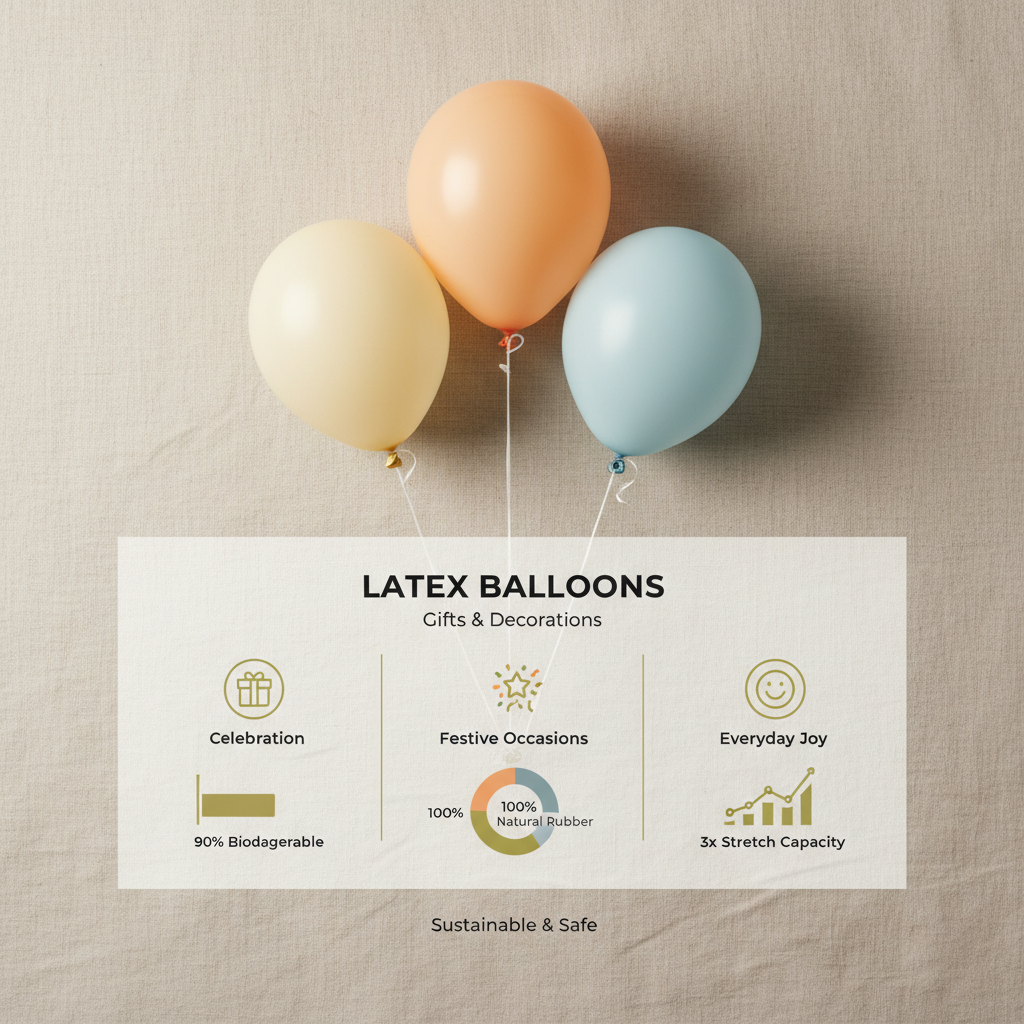
As environmental awareness grows, the production of the 3 latex balloon has shifted toward 100% biodegradable natural latex. Unlike foil or plastic balloons, natural latex is a botanical product that breaks down significantly faster when exposed to soil and microorganisms.
Innovation in "Green Chemistry" has led to the development of new pigment systems for the 3 latex balloon that are water-based and free from toxic solvents. This ensures that as the balloon decomposes, it does not leach harmful chemicals into the ecosystem.
Industry leaders are now promoting "responsible release" guidelines, encouraging the use of the 3 latex balloon in controlled indoor environments or utilizing compostable disposal methods to further reduce the ecological footprint of festive celebrations.
Strategic Sourcing and Logistics Analysis
Efficiently sourcing the 3 latex balloon requires a deep understanding of the rubber supply chain. Because raw latex is a perishable commodity, the proximity of the processing plant to the rubber plantations is a critical factor in maintaining material freshness and elasticity.
Logistics management for the 3 latex balloon focuses on volume optimization. Since uninflated balloons are lightweight but take up significant space, vacuum packaging and optimized carton dimensions are employed to reduce shipping costs and carbon emissions during international transport.
Strategic partnerships between manufacturers and global distributors ensure a steady supply of the 3 latex balloon during peak seasons, such as New Year's Eve and Valentine's Day, preventing market shortages and price volatility.
Comparison of Sourcing and Quality Metrics for 3 latex balloon
| Sourcing Grade |
Elasticity Score (1-10) |
Biodegradation Rate |
Cost Efficiency |
| Economy Grade |
6.2 |
Moderate |
High |
| Standard Retail |
7.5 |
Fast |
Medium |
| Professional Decor |
9.1 |
Fast |
Low |
| Industrial Heavy |
9.8 |
Slow |
Low |
| Eco-Certified |
8.0 |
Rapid |
Medium |
| Custom Premium |
8.7 |
Fast |
Very Low |
FAQS
The 3 latex balloon is made from natural rubber, offering superior elasticity and biodegradability, whereas foil balloons are made from nylon and a thin metallic layer. Latex balloons provide a more organic look and are generally more cost-effective for large quantities, though foil balloons typically hold helium longer.
To extend the float time of a 3 latex balloon, you can use a high-quality balloon sealant (like Hi-Float), which creates a barrier inside the balloon to prevent helium molecules from escaping through the latex pores. Additionally, keeping them away from direct sunlight and extreme temperature changes helps maintain the gas integrity.
Standard 3 latex balloon products are made from natural rubber latex and can trigger reactions in individuals with severe latex allergies. For such cases, we recommend using foil balloons or specialized non-latex synthetic alternatives to ensure the safety and comfort of all guests.
While it is technically possible to deflate and reinflate a 3 latex balloon, the material undergoes structural fatigue during the first expansion. This means the second inflation is more likely to result in a pop or a distorted shape. For professional events, using new balloons is highly recommended for consistency.
Store your 3 latex balloon inventory in a cool, dry, and dark place. Exposure to UV rays and heat can cause the latex to degrade and become brittle, which significantly increases the popping rate during inflation. Avoid storing them near strong chemicals or oils.
For simple home decor, a standard 3 latex balloon is sufficient. For corporate events or outdoor installations, choose "Professional" or "Heavy Duty" grades, as they offer better opacity, stronger walls to resist wind, and a more premium finish that enhances brand perception.
Conclusion
The 3 latex balloon is far more than a simple festive accessory; it is a product of meticulous rubber manufacturing and material science. By balancing elasticity, durability, and aesthetic vibrancy, it continues to be the gold standard for celebrations worldwide. From the importance of natural latex sourcing to the implementation of biodegradable pigments, the industry demonstrates a clear path toward sustainable joy.
As we look toward the future, the integration of smarter manufacturing processes and eco-friendly policies will only enhance the value of the 3 latex balloon. Whether you are a professional decorator or a business owner, investing in high-grade, sustainably produced balloons ensures not only a stunning visual impact but also a commitment to environmental responsibility. Visit our website for more premium options: www.festivalballoon.com











 Consult now