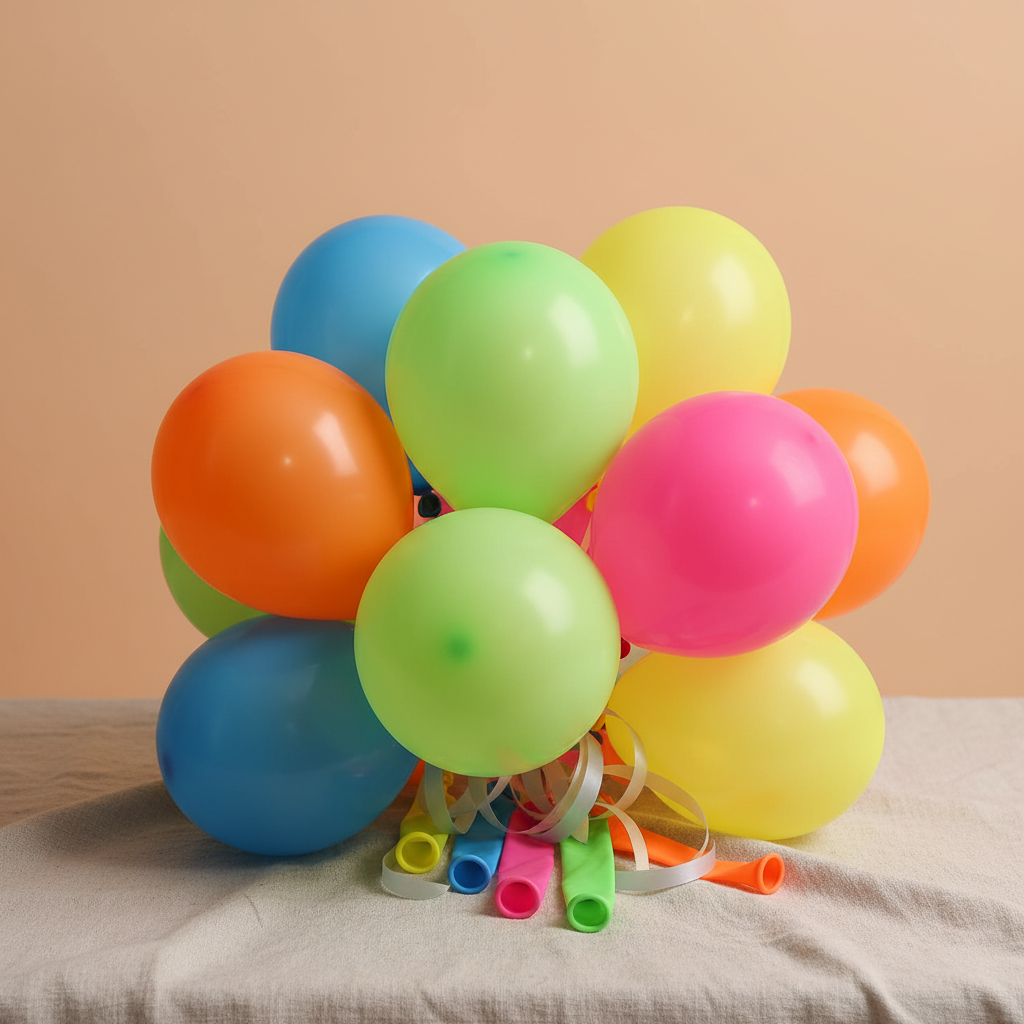
The world of celebration and decoration relies heavily on balloons, and understanding the diverse types of latex balloons is crucial for event planners, party supply businesses, and even everyday consumers. These aren’t just simple inflatable toys; they’re a versatile medium for artistic expression, marketing tools, and symbols of joy. From standard round shapes to complex sculptures, the possibilities are vast, making a thorough understanding of their variations essential.
Globally, the balloon industry is a multi-billion dollar market, with latex balloons constituting a significant portion. According to industry reports, the demand for balloons consistently rises, driven by increasing disposable incomes and the growing trend of themed events. However, concerns around sustainability and environmental impact have pushed manufacturers and consumers alike to seek more eco-friendly alternatives within the realm of types of latex balloons. This drive for innovation is shaping the future of the industry.
Understanding the nuances of different latex balloon types – their strengths, weaknesses, and optimal applications – addresses a critical need for informed purchasing decisions and creative execution. Choosing the correct balloon type can significantly impact the overall aesthetic of an event, the longevity of decorations, and ultimately, the satisfaction of both organizers and attendees. It’s a seemingly small detail that makes a substantial difference.
The Definition and Core Properties of types of latex balloons
types of latex balloons are generally defined as inflatable rubber balloons made from the latex sap of rubber trees, primarily Hevea brasiliensis. This natural material provides the elasticity necessary for inflation and allows for a vibrant range of colors. The core property that distinguishes latex balloons is their biodegradability compared to their mylar counterparts, a growing concern for environmentally conscious consumers.
These balloons aren’t simply filled with air; they’re often inflated with helium, a lighter-than-air gas, to create buoyancy. However, the type of latex, its thickness, and the treatment applied to the surface all contribute to how long a balloon will float and its overall resilience. Understanding these core properties is key to selecting the right balloon for a specific purpose, ranging from simple decorations to complex artistic installations.
Understanding Latex Balloon Size and Shape Variations
The variety in sizes and shapes available in types of latex balloons is truly remarkable. Standard sizes range from 5-inch balloons, commonly used for balloon arches and table decorations, to larger 11-inch balloons suitable for single-balloon displays. Beyond these, you’ll find jumbo balloons, often exceeding 3 feet in diameter, used for dramatic impact at events.
Shapes extend beyond the traditional round. Heart-shaped balloons are popular for romantic occasions, while star-shaped balloons are a staple at children's parties. There are also character balloons molded into various figures, as well as long, twisting balloons used for balloon animals. Each shape requires a specific type of latex and manufacturing process, impacting cost and durability.
The size and shape chosen directly affect the helium capacity and flight time of the balloon. Larger balloons naturally require more helium and tend to float for a longer duration, assuming they're of comparable quality. Moreover, more complex shapes can sometimes be more prone to popping due to stress points in the latex.
Assessing Latex Balloon Quality and Durability
Determining the quality of types of latex balloons isn’t always straightforward. The thickness of the latex, measured in grams per square meter, is a primary indicator – thicker latex generally means greater durability and longer float times. Balloons made from high-quality, consistently produced latex are less likely to have weak spots that lead to premature popping.
Another key factor is the treatment applied to the inside of the balloon. Many manufacturers use a special polymer coating to help the latex retain helium longer. This coating reduces the rate at which helium molecules escape through the latex, extending the balloon’s floating lifespan. Higher-quality balloons typically have a more effective coating.
Visual inspection can also reveal clues about quality. Uniform color, a smooth surface, and a consistent texture are all indicators of a well-made balloon. Avoid balloons with blemishes, inconsistencies, or a noticeably thin appearance. Testing a small batch by inflating them and observing their float time can also provide valuable insights.
Cost Analysis of Different types of latex balloons
The cost of types of latex balloons varies significantly based on size, shape, quality, and quantity purchased. Standard 5-inch balloons are the most economical, often costing pennies apiece in bulk. Larger 11-inch balloons typically range from $0.10 to $0.30 each, depending on the supplier and quality.
Specialty shapes and character balloons command a higher price point, often exceeding $0.50 each. Balloons with premium coatings designed to prolong helium retention also tend to be more expensive. Moreover, wholesale purchases generally offer substantial discounts compared to buying small quantities from retail stores.
Cost Comparison of types of latex balloons
Global Applications of types of latex balloons
types of latex balloons find widespread application across diverse sectors globally. In the event planning industry, they are indispensable for creating festive atmospheres at birthdays, weddings, corporate events, and more. Marketing and advertising also utilize balloons for promotional campaigns, grand openings, and product launches.
Beyond entertainment and marketing, balloons play a role in scientific research, particularly in meteorology, where weather balloons carrying instruments are used to gather atmospheric data. They are also employed in educational settings to demonstrate concepts related to physics and buoyancy. Even in medical fields, specialized balloons are used in certain procedures.
Advantages and Limitations of Latex Balloon Usage
The primary advantage of types of latex balloons lies in their biodegradability, offering a more environmentally friendly option compared to plastic alternatives. They are also incredibly versatile, relatively inexpensive, and can be easily customized with colors, shapes, and printed designs. Their ability to float when filled with helium adds a visually appealing element to celebrations.
However, latex balloons have limitations. Their lifespan is limited, particularly when exposed to sunlight or extreme temperatures. Helium is a non-renewable resource, and its release into the atmosphere has environmental concerns. Additionally, latex allergies, while relatively uncommon, can be a concern for some individuals.
Concerns regarding balloon releases and their impact on wildlife are also growing, leading to increasing regulations and calls for responsible balloon practices. Proper disposal and exploring alternative, sustainable materials are crucial for mitigating these limitations.
The Future of Latex Balloon Technology and Sustainability
The future of types of latex balloons is increasingly focused on sustainability and innovation. Research is underway to develop biodegradable latex alternatives derived from renewable sources, reducing reliance on traditional rubber trees. The development of more efficient helium retention coatings is also a key area of focus.
Furthermore, advancements in printing technology are enabling more intricate and environmentally friendly designs on balloons. The industry is also exploring options for closed-loop recycling systems, where used balloons are collected and repurposed.
Greater emphasis on responsible balloon disposal and advocacy against mass balloon releases are also shaping the industry’s trajectory. Consumers are increasingly demanding eco-friendly options, driving manufacturers to prioritize sustainable practices and materials.
Summary of Key Sustainability Factors in Latex Balloon Production and Usage
| Raw Material Sourcing |
Biodegradability Rate |
Helium Usage Efficiency |
End-of-Life Disposal Options |
| Certified sustainable rubber plantations |
90-95% within 6 months (ideal conditions) |
Coating technologies extending float time by 30% |
Composting (industrial facilities) |
| Fair trade rubber sourcing initiatives |
80-85% within 1 year (typical conditions) |
Balloon designs minimizing helium loss |
Landfill (least preferred option) |
| Exploring alternative biodegradable latex sources |
Variable depending on material composition |
Optimizing balloon shape for helium retention |
Recycling programs (emerging) |
| Traceability of latex origin |
Influenced by environmental factors (temperature, humidity) |
Reducing balloon size to minimize helium usage |
Energy recovery from incineration (limited) |
| Reduced pesticide use in rubber cultivation |
Dependent on latex formulation |
Promoting air-filled balloon decorations |
Biodegradable additive incorporation |
| Supporting local rubber farming communities |
Accelerated by composting |
Education on responsible helium use |
Researching alternative lifting gases |
FAQS
The biodegradation rate of latex balloons varies depending on environmental conditions. Under optimal conditions—warm, humid, and oxygen-rich—a latex balloon can decompose within a few weeks to six months. However, in less favorable conditions, such as cold or dry climates, it can take a year or more. It’s important to note that complete biodegradation requires the right environmental factors and doesn't happen instantaneously.
Latex balloons are generally considered more eco-friendly than mylar balloons. Latex is a natural, renewable resource derived from rubber trees, while mylar is a synthetic plastic that does not readily biodegrade. However, the environmental impact of latex balloons is still a concern, particularly regarding helium usage and potential harm to wildlife if released. Responsible disposal and minimizing releases are crucial for maximizing their eco-friendliness.
Choose balloons made from sustainably sourced latex, ideally with certifications indicating responsible rubber farming practices. Opt for air-filled balloons instead of helium-filled ones to conserve helium resources. Always dispose of balloons properly, and avoid releasing them into the environment. Consider composting latex balloons in an industrial composting facility if available. Support companies committed to sustainable balloon practices.
Releasing latex balloons can pose a significant threat to wildlife. Animals can ingest balloon fragments, mistaking them for food, which can lead to intestinal blockages and starvation. Balloon strings can also entangle animals, causing injury or death. It’s crucial to never release balloons into the environment and to educate others about the harmful effects of balloon releases.
The coloring agents used in latex balloons can slightly affect their biodegradability. While most modern latex dyes are designed to minimize environmental impact, some may take longer to break down than the latex itself. Generally, lighter-colored balloons tend to biodegrade faster than darker-colored balloons, but the difference is typically minimal. Choosing balloons from reputable manufacturers who use eco-friendly dyes is important.
Yes, there's a considerable difference in quality between various grades of latex balloons. Higher-grade balloons are made from purer latex with fewer impurities, resulting in greater elasticity, durability, and helium retention. They're also less likely to have weak spots that cause them to pop easily. Lower-grade balloons may be thinner, more prone to tearing, and have a shorter float time. Investing in higher-quality balloons can often save money in the long run by reducing waste.
Conclusion
In conclusion, understanding the diverse types of latex balloons is far more than just knowing shapes and colors. It’s about grasping the interplay of material science, environmental considerations, and practical applications. From the core properties of latex to the nuances of biodegradability and helium retention, a comprehensive understanding empowers informed decision-making and responsible usage. By prioritizing sustainability and innovation, we can continue to enjoy the joy and versatility of balloons while minimizing their environmental footprint.
Looking ahead, the future of the latex balloon industry hinges on continued research into eco-friendly materials, improved manufacturing processes, and increased consumer awareness. Embracing responsible balloon practices – choosing sustainable options, promoting proper disposal, and advocating against releases – is paramount. Visit our website at www.festivalballoon.com to explore our wide range of latex balloon options and learn more about our commitment to sustainability.









 Consult now