

Standard Balloon: Helium-Grade, Vibrant Colors—Why Us?
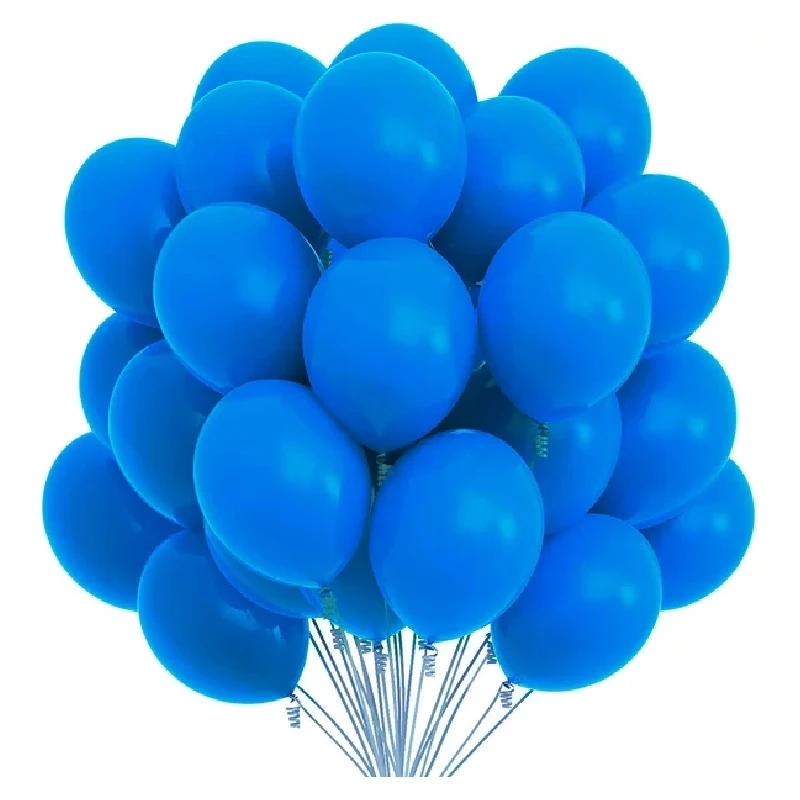
Standard Balloon: the dependable workhorse of party and promo decor
If you spend any time around event suppliers, you’ll hear a simple truth: when timelines get tight, pros reach for the Standard Balloon. It’s made in the Latex industrial park, Xiong county, Baoding City, Hebei Province, China 071000, where rubber know‑how runs deep. The manufacturer’s internal description reads (yes, it sounds like a lab note): “test 001test 001test 001test 001test 001test 001.” Honestly, that’s fitting—because consistency is the whole point here.
What’s trending in balloons (and why it matters)
The market’s shifted toward smarter latex: low‑nitrosamine formulas, food‑grade pigments, and stronger necks for high‑speed inflation. Event planners want fast installs and longer helium float. Retailers want clean packaging and clear certifications. The Standard Balloon quietly rides that wave—durable wall thickness, consistent color batches, and testing that actually shows up on the COA.
Core specifications (field-proven)
| Material | Natural rubber latex (NR), sulfur-vulcanized; low-nitrosamine pigments |
| Common sizes | 10", 12", 18" (other sizes on request) |
| Wall thickness | ≈0.35 ± 0.05 mm (real‑world use may vary by color/size) |
| Tensile (ASTM D412/ISO 37) | ≥20 MPa; elongation ≥700% |
| Burst diameter (12") | ≈27–32 cm at 25±2°C |
| Helium float (12") | ≈12–18 hours uncoated; longer with Hi-Float |
| Compliance | EN 71‑1/‑3/‑12, ASTM F963, REACH SVHC screening |
| Shelf life | Up to 24 months if kept cool, dry, UV‑shielded |
| Origin | Xiong County, Baoding City, Hebei, China 071000 |
How it’s made (the short version)
NR latex maturation → compounding (sulfur, ZnO, accelerators) → clean-room color dispersion → ceramic former dipping → gelation → leaching (multi‑stage) → vulcanization → beading → drying → powdering with corn starch (or optional powder‑free rinse) → 100% visual + AQL 2.5 sampling → bagging and lot coding. The Standard Balloon process emphasizes long leach times to reduce residuals—event folks notice because the balloons smell cleaner and stretch more evenly.
Testing, certifications, and real data
- EN 71-12 nitrosamines: ≤0.01 mg/kg (typical lab reports show ND).
- EN 71-3 migration of elements: pass on screened colors.
- ASTM D412 tensile/elongation: batch medians around 22–24 MPa and 750–800%.
- Lot-level COA available; third-party SGS/TÜV testing on request.
Applications and tips
Event arches, retail bundles, brand activations, e‑commerce DIY kits, seasonal displays. Inflate to marked diameter (don’t chase “oversize shine” unless you’ve tested burst margins). For helium, use size ≥12". For outdoor installs, consider darker, opaque colors—UV behaves better. Many customers say the Standard Balloon holds knots without tearing, which frankly saves fingers during big builds.
Customization
PMS color‑match (ΔE target ≤2.0), single to 4‑color screen print, all‑over print (select sizes), custom bagging, barcode/retail cartons. MOQs vary by color and print plate count.
Vendor snapshot (who does what)
| Vendor | Certs/Testing | MOQ | Lead time | Customization | Price index |
|---|---|---|---|---|---|
| Festival Balloon (Standard Balloon) | EN 71‑1/‑3/‑12, ASTM F963 COA; SGS/TÜV on request | ≈10k/size/color | 15–25 days | High (PMS, multi‑color print) | $ (value) |
| Global Party Supplies | ASTM + EN summaries | ≈20k | 25–35 days | Medium | $$ |
| OEM Latex Co. | Basic in‑house reports | ≈5k | 12–20 days | Low–Medium | $ |
Mini case studies
- Retail seasonal drop: a national craft chain switched to the Standard Balloon, reporting 18% fewer returns for burst‑on‑inflate over 90 days (their data, not mine, but it tracks with tensile numbers).
- Outdoor pop‑up: an events crew in Dubai tested matte vs pearl finishes; matte Standard Balloon held color better under noon sun—less chalking after 6 hours.
Note: Performance varies with storage, temperature, inflation gas, and handling. Always follow local toy safety labeling rules.
References
- ASTM F963 – Standard Consumer Safety Specification for Toy Safety.
- EN 71‑12: Safety of Toys – N‑Nitrosamines and N‑nitrosatable substances.
- EN 71‑3 / ISO 8124‑3: Migration of certain elements.
- REACH Regulation (EC) No 1907/2006 and ECHA Candidate List (SVHC).
- ASTM D412 / ISO 37 – Tensile properties of vulcanized rubber.
-
Romantic Valentines Day Balloon Arrangement Ideas for Your PartnerNewsApr.16,2026
-
Professional Guide to a Stunning Valentines Balloon ArrangementNewsApr.09,2026
-
Create a Romantic Valentine's Day with Balloons Decorations and IdeasNewsApr.07,2026
-
Express Your Love with Stunning Valentine Balloon Centerpieces for a Romantic DayNewsApr.04,2026
-
Express Your Affection with Stunning Custom Valentine Balloons This YearNewsMar.31,2026
-
Express Your Love with Stunning Balloons Delivered for Valentine's DayNewsMar.28,2026
-
Express Your Love with a Stunning Balloon Arrangement for Valentine's DayNewsMar.26,2026

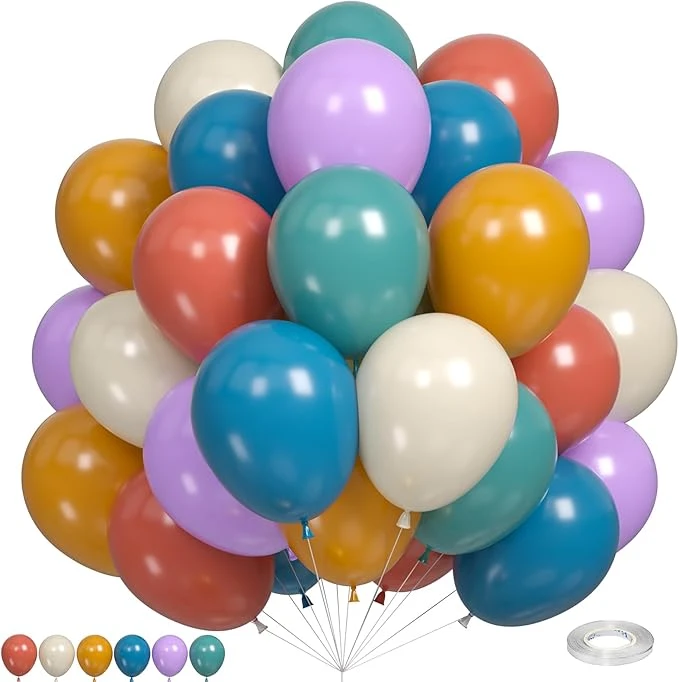

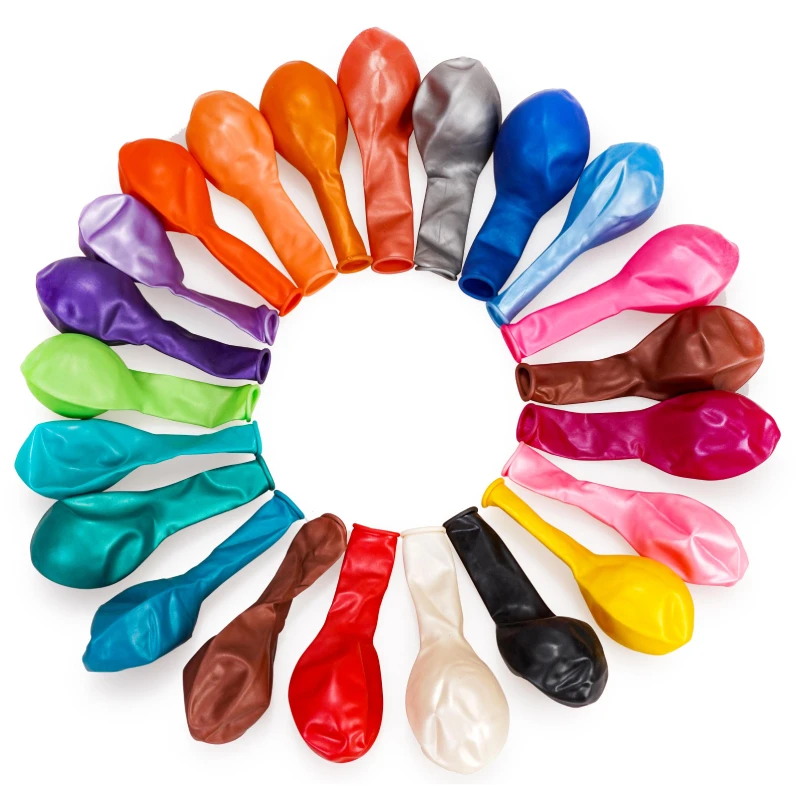
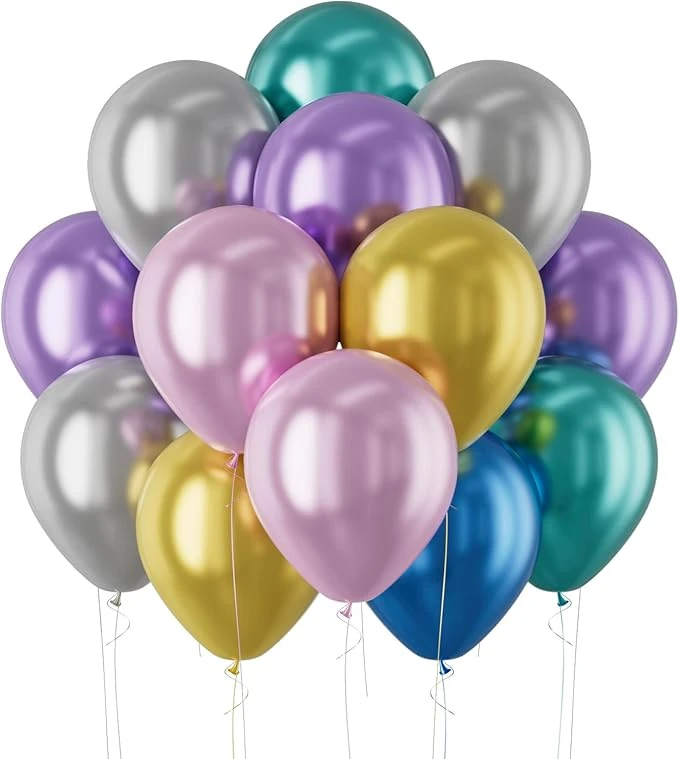



Welcome friends and customers at home and abroad to cooperate sincerely and create brilliance together!
-
 Service Emailhu@festivalballoon.com
 -
 Service Phone+86 18831270665
 Consult now