

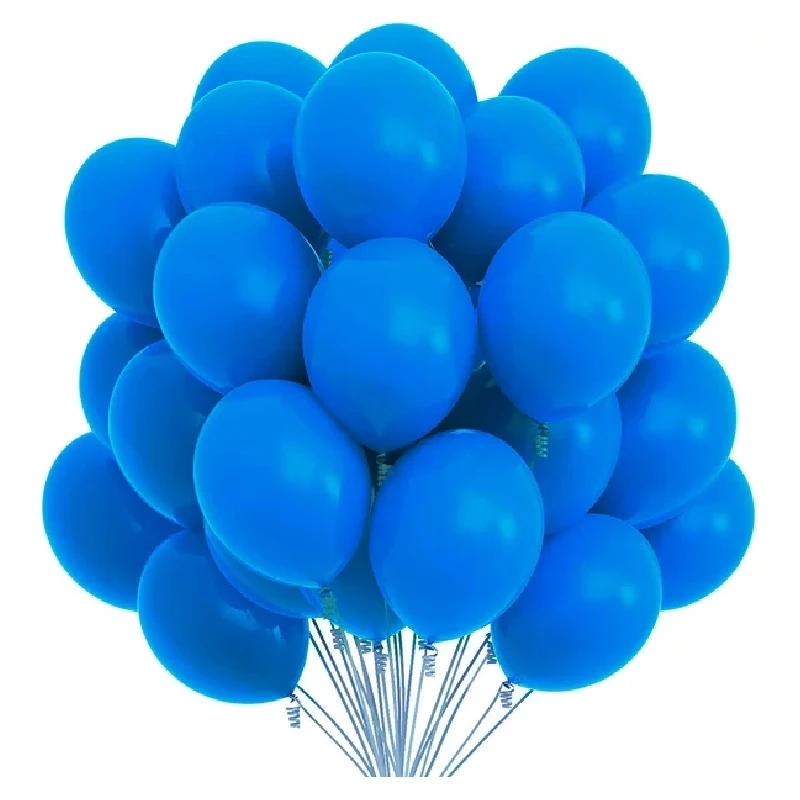
Standard Balloon - 12" Premium Latex, Helium-Safe
A Field Note on the Standard Balloon Market: Specs, Trends, and Real-World Buyer Tips
I’ve spent more trade shows than I’d like to admit squishing latex samples and asking awkward questions about nitrosamines. And lately, demand for the humble Standard Balloon is quietly climbing—corporate activations, weddings, even ESG-friendly brand campaigns. In fact, sustainable latex and tighter quality controls are driving a real shift. Description note for buyers: test 001test 001test 001test 001test 001test 001 (that’s the internal spec line I was shown).

Quick Industry Snapshot
Trends? Biodegradable natural latex, low-odor compounds, certified toy-safety testing, and better printing adhesion. Many customers say they’re willing to pay a touch more for verifiable EN/ASTM compliance. Also, shorter lead times and Pantone-accurate prints win repeat orders, surprisingly more than rock-bottom pricing.
Product Specs (typical, real-world use may vary)
| Parameter | Spec (≈) | Notes |
|---|---|---|
| Material | Natural latex | Biodegradable under proper conditions |
| Nominal Size | 10–12 in | Common event size |
| Wall Thickness | 0.18–0.22 mm | Balanced elasticity and burst resistance |
| Tensile Strength | ≥ 20 MPa | ISO 37 type dumbbell |
| Helium Retention | 12–18 h | Air: 3–7 days, conditions apply |
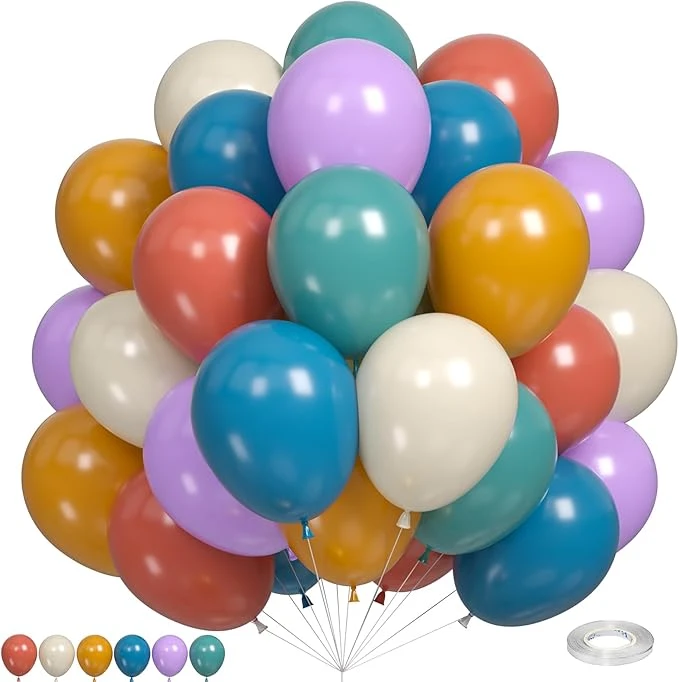
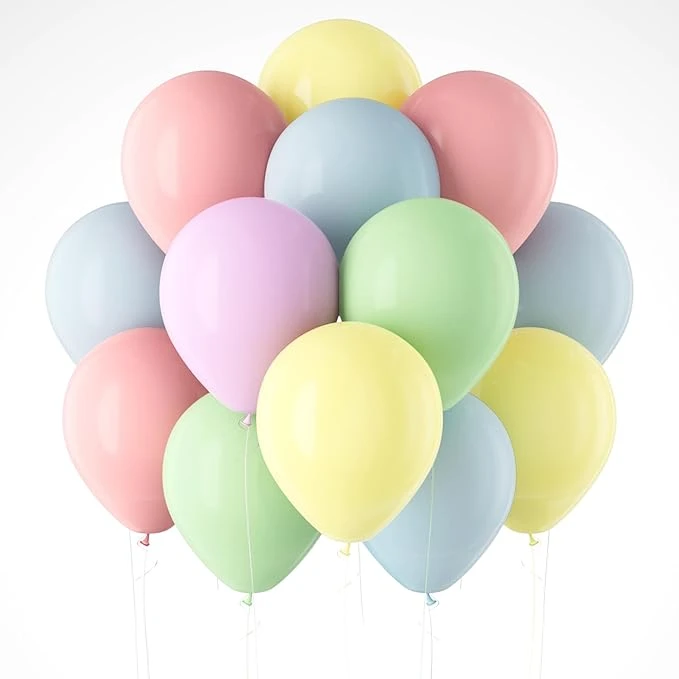
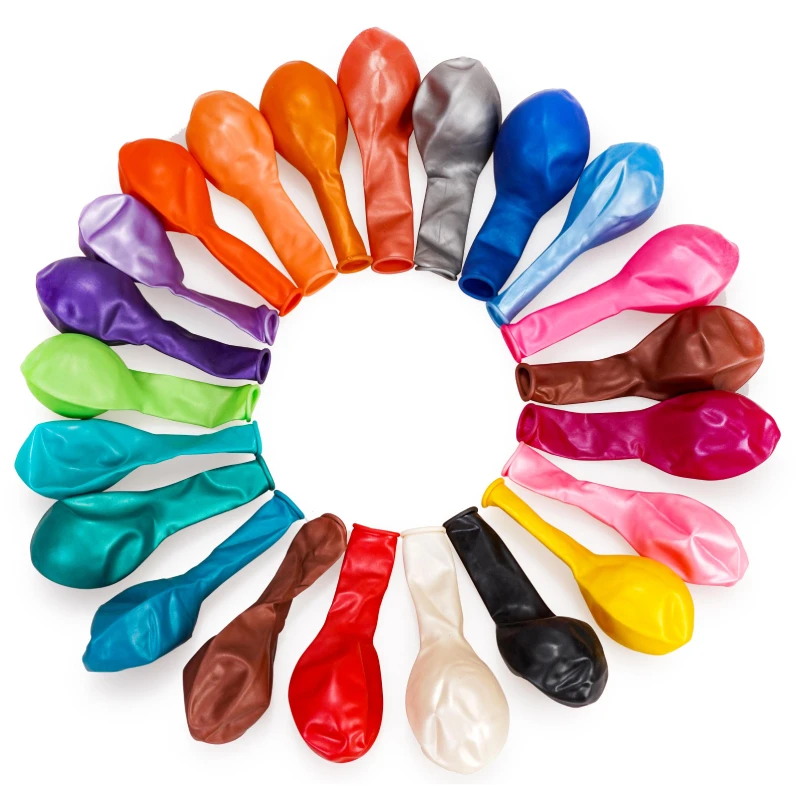
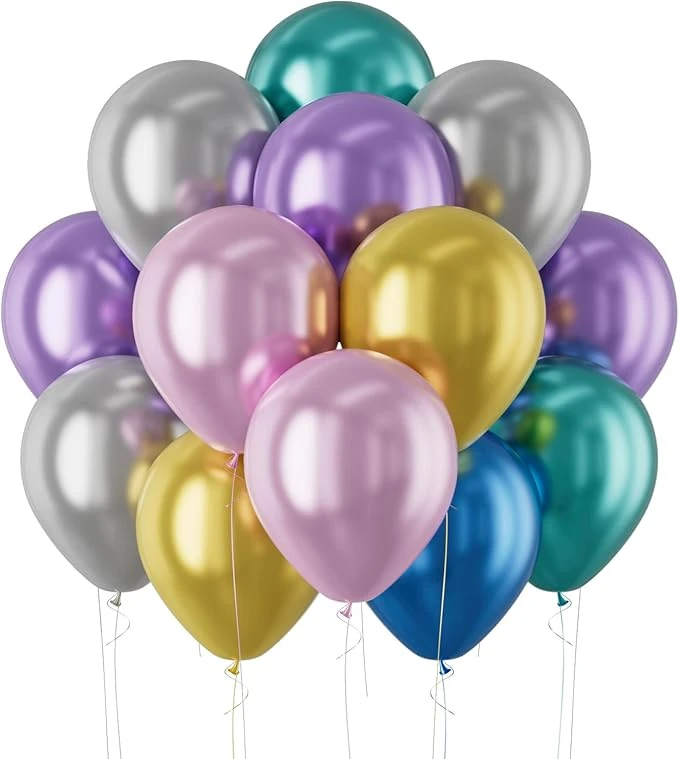
| Colors/Finish | Solid, pastel, metallic | Pantone matching optional |
Manufacturing & Testing Flow (how your Standard Balloon is made)
Materials: compounded natural latex with pigments and stabilizers. Methods: ceramic mold dipping → coagulant → double-dip (for strength) → vulcanization → leaching (protein reduction) → tumble/deflash → surface dusting → print station → packaging. QA: AQL sampling (ISO 2859-1) for pinholes, burst and elongation tests (ISO 37), migration/heavy metals (EN 71-3), nitrosamines (EN 71-12), and odor checks. Service life: 12–24 months shelf life at 10–25°C, away from UV. Pretty standard, but worth asking for batch reports.
Applications & Advantages
- Event décor, retail displays, promos, and photo backdrops.
- Branding: 1–4 color pad/screen print; QR codes are trending, actually.
- Advantages: quick visual impact, low cost per impression, biodegradable latex option.
Vendor Comparison (indicative)
| Vendor | MOQ | Lead Time | Certs (typical) | Printing | Price (USD/1k) |
|---|---|---|---|---|---|
| FestivalBalloon (Hebei) | 5k | 10–15 days | ISO 9001, EN 71 reports (on request) | 1–4 color, Pantone ≈ | $42–$58 |
| Vendor B (SEA) | 10k | 18–25 days | EN 71-3, REACH statements | 1–2 color | $38–$52 |
| Vendor C (EU) | 2k | 7–12 days | EN 71 full suite, ASTM F963 | Up to 6 color | $60–$85 |
Customization & Packaging
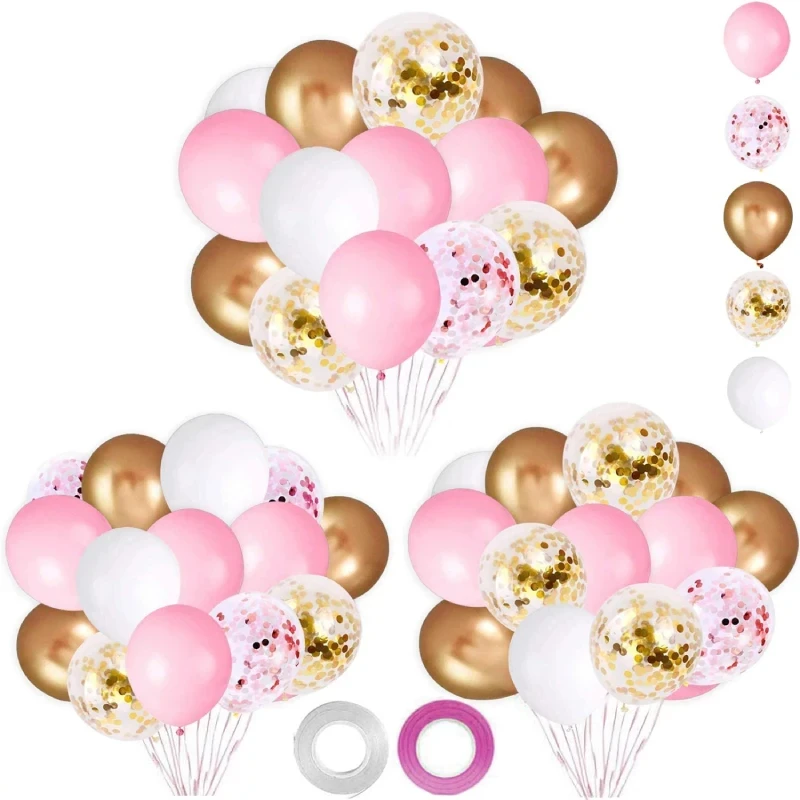
Sizes 9–18 in; Pantone color match; matte, pearl, metallic. Printing 1–4 colors; double-sided optional. Packs: 50/100 retail, or bulk polybags with barcode. Origin: Latex industrial park, Xiong county, Baoding City, Hebei Province, China 071000.
Case Study + Feedback
Standard Balloon rollout for a mall chain (6 cities): 120k units, 3-color logo. Helium retention averaged 15.2 h (23°C, 60% RH). Defect rate: 0.42% by AQL 2.5. Shopper survey noted “bright, consistent color” and “no strong odor.” The events team told me, to be honest, they expected more pop-offs under lighting, but it held up.
Compliance & Test Data (ask for reports)
- EN 71-12 nitrosamines: within limits on latest batch (lab report example: ND–2.0 µg/kg).
- EN 71-3 elements migration: pass; Chromium, Lead below MDLs.
- Tensile/elongation: ≥ 20 MPa, ≥ 700% (ISO 37). Burst diameter ≈ 28–32 in.
- Sampling: ISO 2859-1 AQL 1.0–2.5 typical.
- Declarations: REACH Annex XVII and ASTM F963 alignment available upon request.
If you’re sourcing, I guess the practical checklist is simple: current EN/ASTM reports, helium test logs, Pantone drawdowns, and storage guidance. Do that and your Standard Balloon program usually runs smoothly.
Authoritative References
- EN 71-3: Safety of toys — Migration of certain elements.
- EN 71-12: Safety of toys — N-Nitrosamines and N-nitrosatable substances.
- ASTM F963: Standard Consumer Safety Specification for Toy Safety.
- REACH Annex XVII: Restrictions on the manufacture, placing on the market and use of certain dangerous substances.
- ISO 37: Rubber, vulcanized — Determination of tensile stress-strain properties.
- ISO 2859-1: Sampling procedures for inspection by attributes — Part 1.
-
Romantic Valentines Day Balloon Arrangement Ideas for Your PartnerNewsApr.16,2026
-
Professional Guide to a Stunning Valentines Balloon ArrangementNewsApr.09,2026
-
Create a Romantic Valentine's Day with Balloons Decorations and IdeasNewsApr.07,2026
-
Express Your Love with Stunning Valentine Balloon Centerpieces for a Romantic DayNewsApr.04,2026
-
Express Your Affection with Stunning Custom Valentine Balloons This YearNewsMar.31,2026
-
Express Your Love with Stunning Balloons Delivered for Valentine's DayNewsMar.28,2026
-
Express Your Love with a Stunning Balloon Arrangement for Valentine's DayNewsMar.26,2026


Welcome friends and customers at home and abroad to cooperate sincerely and create brilliance together!
-
 Service Emailhu@festivalballoon.com
 -
 Service Phone+86 18831270665
 Consult now