

Light Color Balloons – Uses, Benefits, and Innovations in Global Context
Light Color Balloons: A Global Perspective on Their Uses and Value
Light color balloons might sound like something you find at a birthday party, but really, they’re far more versatile and meaningful on a global scale than you might imagine. These gentle-hued inflatables—think whites, pastels, and other soft shades—play critical roles across industries, from advertising and entertainment to environmental science and emergency services. Understanding light color balloons is worthwhile because they combine the practical with the aesthetic, offering utility, visibility, and subtlety in one package.
Globally, balloon manufacture and use tie into sustainable materials development and event management sectors, which is no small matter given the hundreds of millions manufactured yearly worldwide—light colors making up a significant chunk due to their visibility and versatility. They also intersect with environmental concerns over littering and biodegradability, prompting innovation in balloon materials. So, if you’re in event planning, scientific research, or just curious about the science behind those gentle hues bobbing in the sky during celebrations, there’s plenty to unpack.
Defining Light Color Balloons
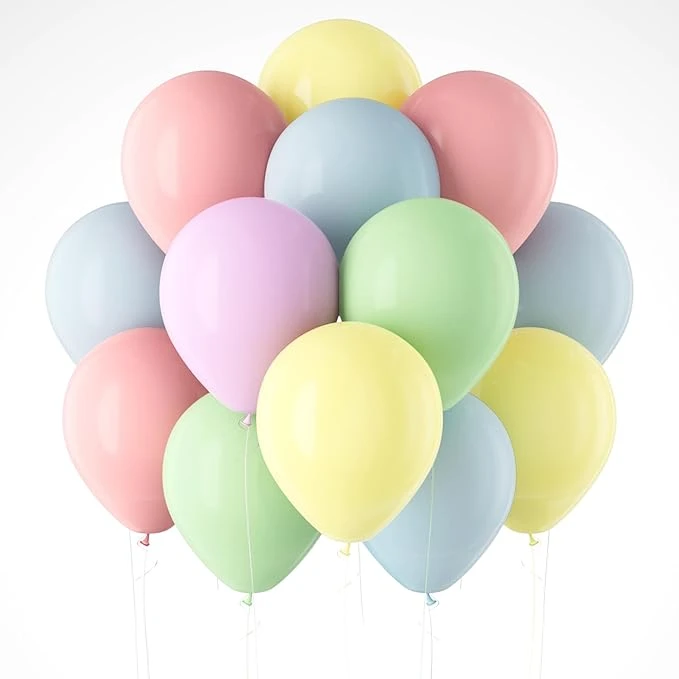
Simply put, light color balloons are inflatables made from materials like latex or Mylar, featuring pale or pastel shades such as white, cream, soft pink, baby blue, and light yellow. Their lighter hues reflect sunlight better and create a distinct visual effect that’s less harsh than bright, saturated colors. In industrial and scientific contexts, these balloons serve as markers, signal devices, or measurement tools.
In humanitarian zones or disaster relief, their subtle coloration reduces visual pollution while still maintaining visibility — especially useful in crowded spaces. Curiously, the color choice can also impact helium retention times and durability under various atmospheric conditions, though that depends heavily on material and quality.
Key Components of Light Color Balloons
1. Durability
Durability is a big one here—if you think about it, a balloon that pops too easily or deflates in minutes is wasted effort and money. Light color balloons typically use improved latex blends or metallized films to extend lifespan, especially in outdoor settings where UV exposure and temperature swings can wreak havoc.
2. Visibility
Despite being pale, light colors still achieve excellent visibility in daylight and dusk conditions. This subtle visibility makes them perfect for marking off safe zones during events or relief operations without overwhelming the environment with harsh colors.
3. Cost Efficiency
Interestingly, light color balloons often cost slightly more than primary colored ones, mostly due to manufacturing processes to ensure pigment stability and material purity. That said, their longer usability in critical applications often offsets this initial expense.
4. Environmental Impact
Most manufacturers now use biodegradable materials certified by agencies like ISO to tackle environmental concerns, which is important given how many balloons can end up in natural ecosystems. Light shade balloons tend to be made with less dense pigment load, aiding breakdown.
5. Customization Options
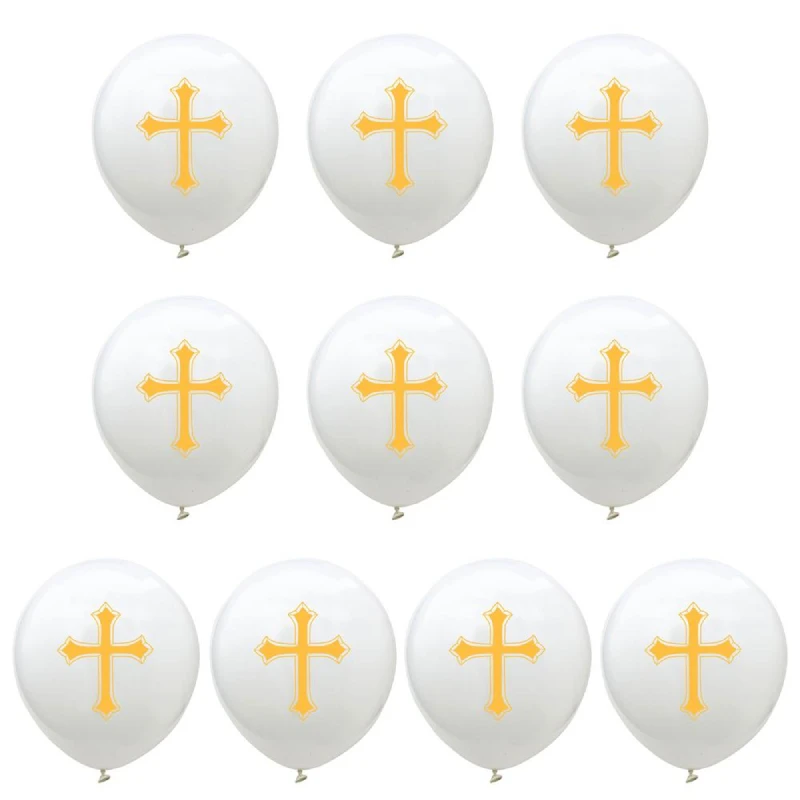
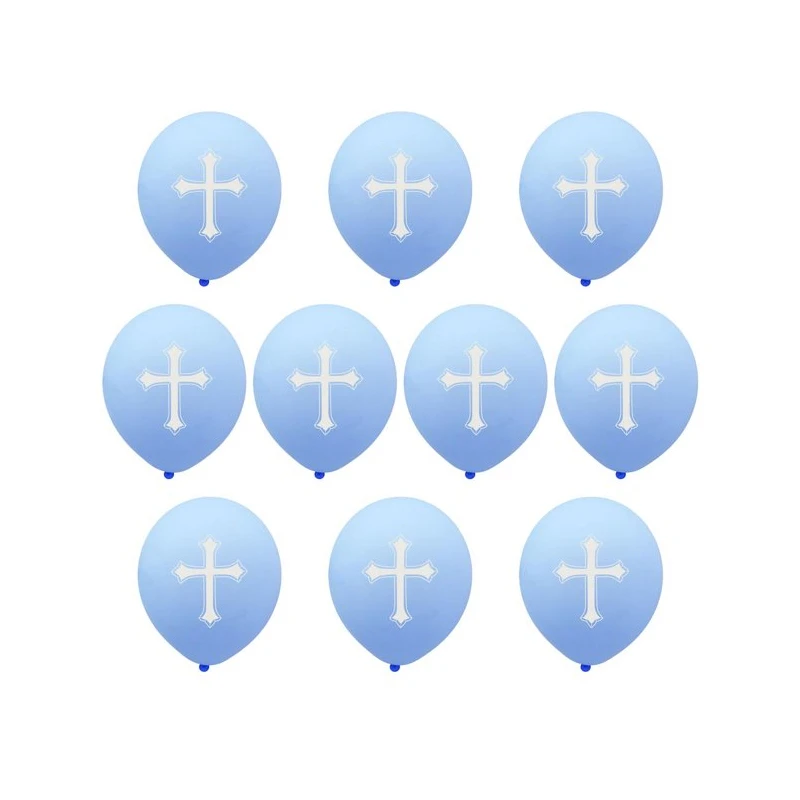
From light pastel blues for corporate branding to whites for weddings, these balloons can often be customized with logos or messages without compromising the delicate color balance.
Global Applications & Use Cases
Light color balloons are everywhere—from festive markets in Europe to remote research stations in Antarctica.
- Post-Disaster Relief: In disaster-prone areas, these balloons mark safe points or supply drops, their light colors visible but not alarming, reducing panic in tough conditions.
- Scientific Research: Weather balloons often use light colors for tracking upper atmosphere conditions without interfering heavily with optical instruments.
- Telecom Industry: High-altitude balloons for network relays benefit from light hues to integrate visually with the sky, minimizing disturbance to wildlife or residents.
- Event Decor & Advertising: Of course, not to forget the imagery they provide at weddings, cultural festivals, and product launches, where subtlety often outshines gaudiness.
Regions like North America and Western Europe lead in innovations related to these balloons’ functionality and eco-friendly designs, while developing nations increasingly adopt them for practical, low-cost signaling methods.
Advantages & Long-Term Value
There’s a humane side to this, beyond just practical use. For communities affected by crises, well-placed light color balloons can symbolize hope and order. Emotionally, they’re gentler on the eyes—conveying calmness in contrast to more aggressive colors.
Practically, their advantages include:
- Improved Safety: In emergency zones, clear but mild visibility helps responders and civilians alike.
- Sustainability: Advances in biodegradable balloon materials mean a lower environmental footprint.
- Cost Savings: Less frequent replacements thanks to durability equals value for money.
- Social Impact: They uplift spaces aesthetically and psychologically.
Product Specification Table for Typical Light Color Balloon
| Feature | Specification |
|---|---|
| Material | Natural Latex / Biodegradable Film |
| Color Options | White, Pastel Pink, Light Blue, Cream, Lemon |
| Diameter (inflated) | 12 to 36 inches |
| Lifespan (helium-filled) | 8 to 24 hours (latex), up to 5 days (Mylar) |
| Biodegradability | Certified, eco-friendly materials |
Vendor Comparison: Leading Light Color Balloon Suppliers
| Supplier | Material Quality | Customization | Eco-Certifications | Price Range (per 100) |
|---|---|---|---|---|
| BalloonCo | High-grade natural latex | Logo printing & pastel color blends | ISO 14001 certified | $60 - $75 |
| EcoInflate | Biodegradable films | Limited pastel shades, standard prints | Compostable certifications | $80 - $95 |
| SkyGlow | Helium-grade Mylar | Custom shapes & colors | Partial eco-compliance | $90 - $110 |
Future Trends & Innovations
Innovation in light color balloons seems to be heading towards integration with green technology—think biodegradable composites that last just long enough without leaving harmful residues. Digital inks for customization reduce chemical waste, which is oddly satisfying from an industry perspective.
There’s also speculation about smart balloons equipped with tiny sensors for weather monitoring or crowd control, thanks to lightweight materials and low-power devices becoming viable. Plus, policies around banning non-biodegradable balloons in many countries are pushing faster development of eco-friendly materials and circular economy practices.
Challenges & Practical Solutions
Yet, challenges remain. Balloon litter is still an issue, especially after large-scale events. Sometimes quality inconsistencies lead to unexpected deflation or popping, frustrating users and polluting environments. However, manufacturers are adopting stricter quality controls and blending traditional latex with natural additives to boost reliability.
Education on proper disposal and reuse—say, repurposing popped balloons for craft or industrial fillers—is slowly growing but not widespread. Partnerships with local governments and NGOs show promise in addressing these gaps.
Frequently Asked Questions About Light Color Balloons
- Q: How long do light color helium balloons typically last outdoors?
A: Latex light color balloons usually hold helium for about 8-12 hours outdoors, but with specially coated materials, the duration can extend up to 24 hours. Mylar or foil versions often last several days depending on conditions. - Q: Are light color balloons better for environmental sustainability?
A: Generally, yes. Their lighter pigments mean less synthetic dye use, and many are made from biodegradable latex certified by ISO standards. However, it’s important to dispose of all balloons responsibly to minimize environmental impact. - Q: Can light color balloons be customized for corporate events?
A: Absolutely. Many suppliers offer custom printing options including logos, text, and patterns while maintaining pastel or light colors, making them ideal for elegant branding without overpowering visuals. - Q: Are light color balloons more expensive than darker ones?
A: Sometimes. The increased cost comes from the extra care needed in pigment stability and manufacturing processes, but the long-term durability and aesthetic advantages often justify the price difference. - Q: How should light color balloons be stored before use?
A: Store them in a cool, dry place away from direct sunlight and heat sources to prevent premature degradation and color fading. Proper storage can significantly extend shelf lifecycle.
Conclusion: Why Embracing Light Color Balloons Makes Sense
In the grand scheme, light color balloons offer a rare intersection of form, function, and environmental awareness. Whether marking locations in disaster zones, enhancing festive decor, or advancing scientific research, their subtlety is their strength. If you want to explore these options for your next event or project, don’t hesitate to visit light color balloons specialists for expert advice and quality selections.
Think of these balloons as gentle ambassadors—presenting messages, marking spaces, or simply adding that soft touch of joy to our skies.
Wrap-up takeaway: The understated charm and practical benefits of light color balloons make them a surprisingly impactful choice, especially when sustainability and subtlety matter.
1. Wikipedia - Balloons
2. ISO 14001 Environmental Management
3. UN Environment Report on Balloon Pollution
-
Romantic Valentines Day Balloon Arrangement Ideas for Your PartnerNewsApr.16,2026
-
Professional Guide to a Stunning Valentines Balloon ArrangementNewsApr.09,2026
-
Create a Romantic Valentine's Day with Balloons Decorations and IdeasNewsApr.07,2026
-
Express Your Love with Stunning Valentine Balloon Centerpieces for a Romantic DayNewsApr.04,2026
-
Express Your Affection with Stunning Custom Valentine Balloons This YearNewsMar.31,2026
-
Express Your Love with Stunning Balloons Delivered for Valentine's DayNewsMar.28,2026
-
Express Your Love with a Stunning Balloon Arrangement for Valentine's DayNewsMar.26,2026
Welcome friends and customers at home and abroad to cooperate sincerely and create brilliance together!
-
 Service Emailhu@festivalballoon.com
 -
 Service Phone+86 18831270665
 Consult now