

Can You Fill Latex Balloons With Air? Practical Uses, Benefits & Tips
Can You Fill Latex Balloons With Air? Understanding the Basics and Benefits
Latex balloons have long been a staple of celebrations, advertising, and even scientific applications. But unlike helium — the fancy gas that makes them float — many ask, can you fill latex balloons with air? The answer might seem obvious, but there’s more beneath the surface. Whether for cost-saving reasons, environmental concerns, or practical uses in events and industry, understanding how air fills balloons and its implications has global resonance. From party planners in New York to disaster response units in Southeast Asia, knowing this simple fact can be surprisingly valuable.
Introduction: Why Does Filling Latex Balloons With Air Matter Globally?
Worldwide, balloon use numbers in the billions annually. According to the Wikipedia entry on balloons, latex variants cover roughly 70% of that market thanks to their biodegradability and versatility. However, helium shortages and rising costs push many industries to reconsider traditional fillings. It’s here that filling balloons with air steps in as a practical solution.
Globally, helium is a non-renewable resource supplied only by a handful of countries, notably the USA and Qatar. The World Bank data on helium scarcity highlights increasing supply constraints. Meanwhile, retailers, educators, and event managers face rising helium prices and supply disruptions. Filling latex balloons with air, a free and abundant resource, tackles this challenge head-on — making events feasible and cost-efficient, especially in less affluent regions.
So, the big problem: how to create festive or functional balloon displays without the “lift” but with safety, reliability, and style intact? That’s where knowing about air-filled balloons shines.
What Does It Mean to Fill Latex Balloons With Air?
Simply put, filling latex balloons with air means inflating them using ambient air — the normal mixture of gases we breathe — instead of helium or hydrogen. This makes the balloons heavier; they won’t float and will instead rest on surfaces or be suspended from strings or arches.
From an industrial viewpoint, this basic difference is crucial. Air-filled balloons last longer without shrinking quickly (helium diffuses faster), cost practically nothing to fill, and are safer — no flammability worries like hydrogen. Plus, for uses in scientific instruments, hospital monitoring, or educational models, air-filled latex balloons provide an accessible medium.
Key Factors To Know When Filling Latex Balloons With Air
1. Durability and Inflation Longevity
Air-filled balloons can stay inflated for days or even weeks, because ambient air molecules are larger and leak slower from the porous latex. That’s why event decorators favor air in structures that need stability.
2. Cost Efficiency and Availability
Compared to helium — which can cost ten times or more per balloon inflation — air is free and universally available. This is vital for large-scale events and humanitarian efforts where budgets are tight.
3. Environmental Impact
Latex balloons are biodegradable under the right conditions, and when filled with air, they avoid helium depletion, which impacts medical and aerospace sectors. So, air-filled latex balloons align better with sustainability goals.
4. Use in Complex Balloon Structures
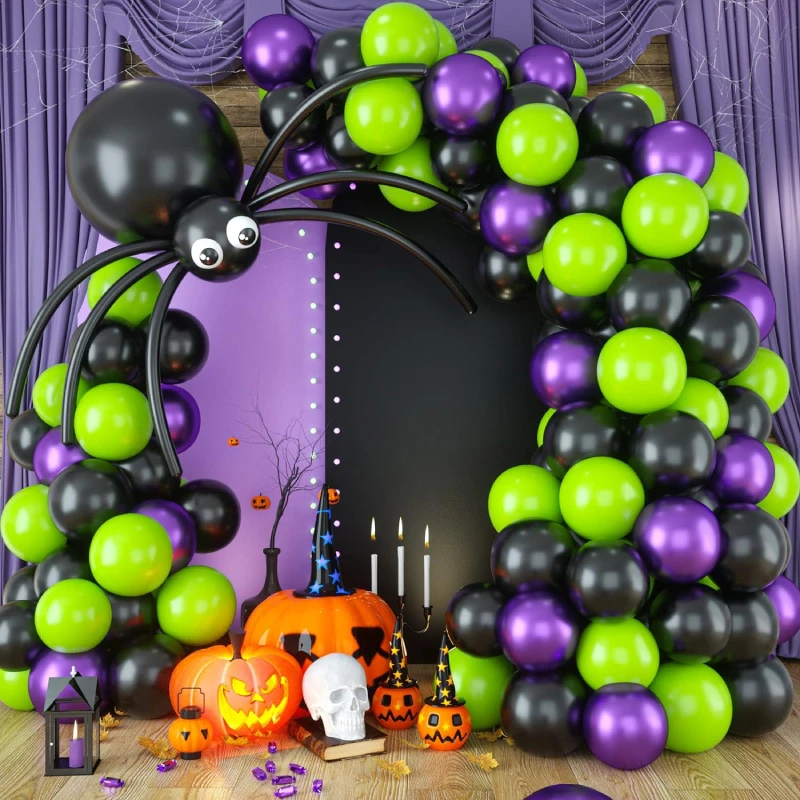
Since air-filled balloons don't float, they can be woven into arches, columns, and sculptures without worrying about balloon drift or the need for tethers. This allows creative freedom in décor and advertising.
5. Safety Considerations
Using air eliminates risks related to helium inhalation hazards or hydrogen’s flammability. This lends itself well to schools, hospitals, and family-friendly events.
Global Applications and Real-World Use Cases
- Event Decoration: Balloon arches in malls, stadiums, or weddings mostly use air to cut costs and maintain shape over time.
- Scientific Demonstrations: Teachers inflate latex balloons with air to explain volume and pressure concepts.
- Disaster Relief Communications: In remote areas, inflatable markers or signals sometimes use air-filled latex balloons for simplicity and availability.
- Advertising Installations: Businesses prefer air-filled balloon sculptures outside storefronts for longer display life and affordability.
For example, in parts of India and Latin America, vendors rely on air-inflation for festive decorations, maximizing balloon use while minimizing supply dependency on helium. Oddly enough, this simple tweak scales industry-wide—from backyard parties to international conferences.
Advantages and Long-Term Value of Filling Latex Balloons With Air
There’s a fascinating blend of practical and emotional benefits here. On the practical side, lower costs and safer handling mean more people can enjoy the festive spirit without worry. Long-lasting inflation ties directly into sustainability, and the reduced carbon footprint aligns with contemporary eco-conscious trends.
Emotionally? Well, balloons filled with air create reliable, steady backdrops to celebrations, symbolizing stability and joy that doesn’t vanish in minutes. Plus, by using air rather than rare gases, communities feel empowered to host their own fun responsibly.
Product Specification Table for Standard Latex Balloon Inflation
| Specification | Air Inflation | Helium Inflation |
|---|---|---|
| Inflation Gas | Ambient Air (78% N₂, 21% O₂) | Helium (He) |
| Float Time | Does not float | 4–12 hours (latex), up to a week (foil) |
| Cost per Inflation | $0 (free air) | $0.50–$3.00 per balloon |
| Environmental Impact | Low, uses renewable resources | Higher due to helium scarcity |
| Safety | Non-flammable, non-toxic | Non-toxic, but pressure caution needed |
Vendor Comparison Table: Popular Balloon Inflation Supply Sources
| Vendor | Air Pump Type | Price Range | Ideal For | Notes |
|---|---|---|---|---|
| AirMax Pro | Electric Air Pump | $40–$60 | Events, Parties | Quick inflation, moderate noise |
| HelioFill | Manual Hand Pump | $15–$25 | Small parties, kids | Affordable, portable |
| PumpMaster 3000 | Rechargeable Battery Pump | $50–$80 | Professional decorators | Lightweight, portable |
Emerging Trends and Innovations in Balloon Inflation
Looking ahead, innovations in inflating latex balloons with air are intertwined with trends like sustainability and digital automation. For instance, some companies develop portable smart air pumps that provide precise pressure control, extending balloon life. Others explore eco-friendly latex formulations that degrade faster post-use.
Additionally, event decorators integrate can you fill latex balloons with air in ambient displays powered by solar LED lighting — marrying old-school fun with new-school green tech. Frankly, the mix of tradition and tech here is oddly satisfying.
Common Challenges and How To Overcome Them
Air-filled balloons don’t float, which can feel like a bummer initially, especially if you expect the "helium magic." But solutions abound: balloon sticks, arches, and ceiling suspensions compensate elegantly. Also, latex’s porous nature means balloons eventually deflate — but that’s less urgent if you're setting up days ahead.
Moreover, slower inflation speed compared to helium can be optimized using electric or battery pumps, as shown in our vendor table. And with some creativity, the heavier weight of air-filled balloons becomes a design asset, not an obstacle.
FAQ: Frequently Asked Questions About Filling Latex Balloons With Air
- Can I fill latex balloons with regular air at home?
- Absolutely. Using either a manual pump or even your breath will fill balloons with air. Just note the balloon won’t float and requires tying or mounting.
- How long will an air-filled latex balloon last?
- Typically, air-filled balloons last several days to a week, depending on ambient temperature and humidity. Since air molecules are larger than helium, they leak slower.
- Is filling balloons with air safer than helium?
- Yes, air is non-flammable, non-toxic, and poses no inhalation risks, making it ideal especially around children and in indoor spaces.
- Can air-filled balloons be used outdoors?
- Definitely. While they don’t float, air-filled balloons withstand wind better when secured in structures, making them great for outdoor décor.
- Where can I buy air pumps for inflating latex balloons?
- You can find various electric, battery, or manual pumps at party stores, online marketplaces, and specialty suppliers listed here can you fill latex balloons with air.
Conclusion: Why Knowing You Can Fill Latex Balloons With Air Makes a Difference
Understanding that you can fill latex balloons with air is not just common sense — it’s a gateway to smarter, safer, and more sustainable balloon use worldwide. From cost savings to environmental responsibility, and from science classrooms to elaborate event displays, air-filled balloons have a distinct role that everyone should appreciate.
If you’re planning your next event or just curious about balloon science, why not explore further? Visit our website https://www.festivalballoon.com for tips, tools, and more.
Mini takeaway:
Filling latex balloons with air is a practical, sustainable choice that stretches budgets and extends celebrations. Plus, exploring all the ways this simple idea powers global creativity and function? Pretty uplifting in its own quiet way...
References:
-
Romantic Valentines Day Balloon Arrangement Ideas for Your PartnerNewsApr.16,2026
-
Professional Guide to a Stunning Valentines Balloon ArrangementNewsApr.09,2026
-
Create a Romantic Valentine's Day with Balloons Decorations and IdeasNewsApr.07,2026
-
Express Your Love with Stunning Valentine Balloon Centerpieces for a Romantic DayNewsApr.04,2026
-
Express Your Affection with Stunning Custom Valentine Balloons This YearNewsMar.31,2026
-
Express Your Love with Stunning Balloons Delivered for Valentine's DayNewsMar.28,2026
-
Express Your Love with a Stunning Balloon Arrangement for Valentine's DayNewsMar.26,2026











Welcome friends and customers at home and abroad to cooperate sincerely and create brilliance together!
-
 Service Emailhu@festivalballoon.com
 -
 Service Phone+86 18831270665
 Consult now